
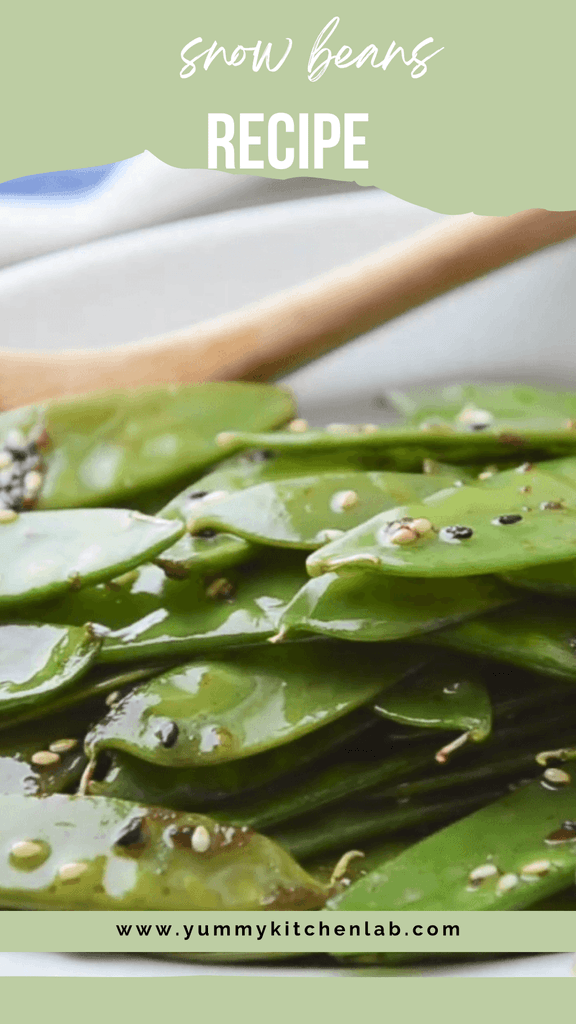
This snow peas recipe is what I make when I want a side dish that looks fancy but takes less effort than microwaving leftovers. You get crisp, bright green pods in a sticky soy and sesame glaze. One pan, a few pantry staples, zero stress. <div align=”center”>
- What You Need for Sesame Garlic Snow Peas
- How to Make Sesame Garlic Snow Peas (Step by Step)
- 1. Mix the Sauce First
- 2. Heat the Pan and Add the Oil
- 3. Saute the Ginger and Garlic
- 4. Add the Snow Peas
- 5. Pour in the Sauce
- 6. Reduce to a Glaze
- 7. Finish with Sesame Seeds
- Pro Tips for Perfect Sesame Garlic Snow Peas
- Easy Serving Ideas for Sesame Garlic Snow Peas
- Snow Peas Recipe FAQs
- Can I use frozen snow peas?
- What is the difference between snow peas and sugar snap peas?
- How do I keep snow peas crisp?
- Can I make this ahead of time?
- Can I make this spicy or vegan?
- Final Thoughts
- Sesame Garlic Snow Peas Recipe
“A good side dish should take less time than the main course and taste like it took more.” </div>
That is basically my kitchen motto. It comes from a habit, not a famous chef: the fast, hot-pan veggie that shows up next to nearly every weeknight dinner. This dish is the poster child.
Stir-fry cooks have always known the secret here. Hot pan, short cook time, tight sauce, done. Snow peas are flat and tender, so they only need a few minutes before they turn sweet and snappy. I have made this more times than I can count, and honestly, IMO it is the easiest way to make vegetables the best thing on the plate.
What You Need for Sesame Garlic Snow Peas
The ingredient list is short, so every item has to pull its weight. In a six-minute dish, a weak ingredient has nowhere to hide. Here is what I use and why.
Snow Peas
These are the star, so shop with some standards. Grab flat, bright green pods that snap when you bend them. Skip anything limp, rubbery, or spotted with brown. Pull off the tough string along the seam before cooking, because nobody enjoys chewing on dental floss. Sugar snap peas work too, but they are plumper and need about a minute longer.
Fresh Ginger
Ginger gives this dish its warm, zippy backbone. Use the fresh root. Jarred paste and the dusty powder in your spice rack taste dull and a bit soapy here. Mince it very fine, since big chunks turn harsh in a hot pan. No fresh ginger? Skip it rather than reaching for powder.
Garlic
Garlic brings the savory punch and loves hanging out with ginger. Mince fresh cloves nice and small so they cook in seconds. Garlic burns faster than almost anything, and burnt garlic makes the whole dish bitter. I steer clear of the jarred stuff because it tastes flat and weirdly sour.
Neutral Oil
The oil only has one job: carry heat. Pick something with a high smoke point and a quiet flavor, like avocado, grapeseed, canola, or vegetable oil. Olive oil clashes with the sesame and smokes too easily. You need about a tablespoon, and more than that leaves the glaze greasy instead of glossy.
Soy Sauce
Soy sauce gives the glaze its salty, savory base. I go for low-sodium because the sauce reduces and concentrates fast, and I like keeping control of the seasoning. Regular soy works if you taste as you go. Tamari makes a great gluten-free swap. Skip dark or sweet soy sauces unless you plan to cut the sugar.
Rice Wine Vinegar
This adds a gentle tang that keeps the glaze from feeling heavy. It is milder and slightly sweeter than white vinegar, which would bulldoze the peas. Look for the unseasoned bottle, since the seasoned kind already has sugar and salt. Out of it? Use a little less apple cider vinegar, because it hits harder.
Toasted Sesame Oil
Here is where the nutty, toasty flavor comes from. Buy the dark amber toasted kind, not the pale cooking version. A little goes a long way, so measure it. I mix it into the sauce instead of heating it in the pan, because high heat kills its aroma.
Sugar
Sugar adds sweetness, but its real talent is helping the sauce cling and glaze. Plain white sugar dissolves cleanly and does the job. Brown sugar or honey work, though they add their own flavor. Skip it completely and your sauce stays thin and slides right off the peas. One teaspoon does it.
Sesame Seeds
These add crunch and a nutty finish. Toasted seeds taste best, and you can toast raw ones in a dry pan for about a minute. Sprinkle them on at the very end, or they go soft in the sauce. A mix of black and white seeds looks great on the plate.
How to Make Sesame Garlic Snow Peas (Step by Step)
Read through these once before you turn on the stove. The cooking moves fast, and nobody wants to be mincing garlic while the pan smokes.
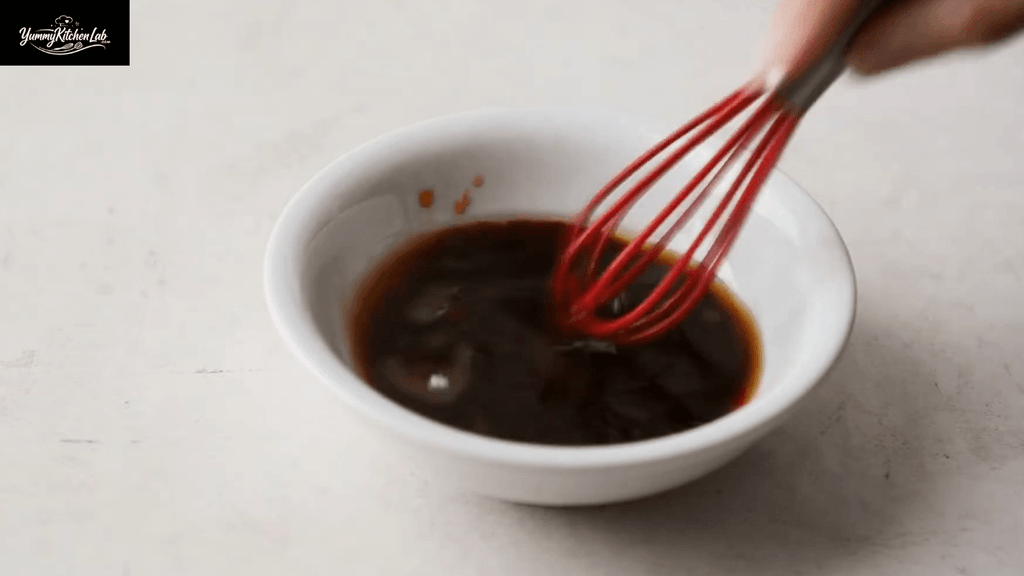
1. Mix the Sauce First
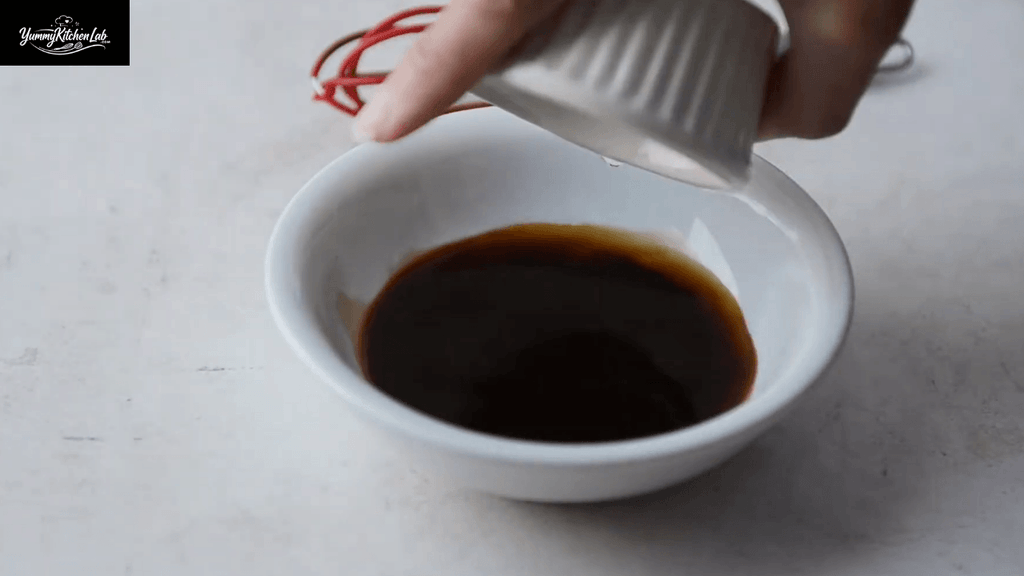
Stir the soy sauce, rice wine vinegar, sesame oil, and sugar together in a small bowl until the sugar dissolves. Once the pan heats up, you will not have time for this. Park the bowl next to the stove.
2. Heat the Pan and Add the Oil
Set a large skillet or wok over medium-high heat and add a tablespoon of oil. Wait until it shimmers and glides across the pan. A hot pan sears the peas instead of steaming them, and that is how you keep the snap. Cold oil gives you sad, limp pods.
3. Saute the Ginger and Garlic
Toss in the ginger and garlic and stir nonstop for 20 to 30 seconds. You want fragrant, not brown. That quick sizzle flavors the oil, and the oil flavors every pea. If the garlic starts to darken, pull the pan off the heat for a moment.

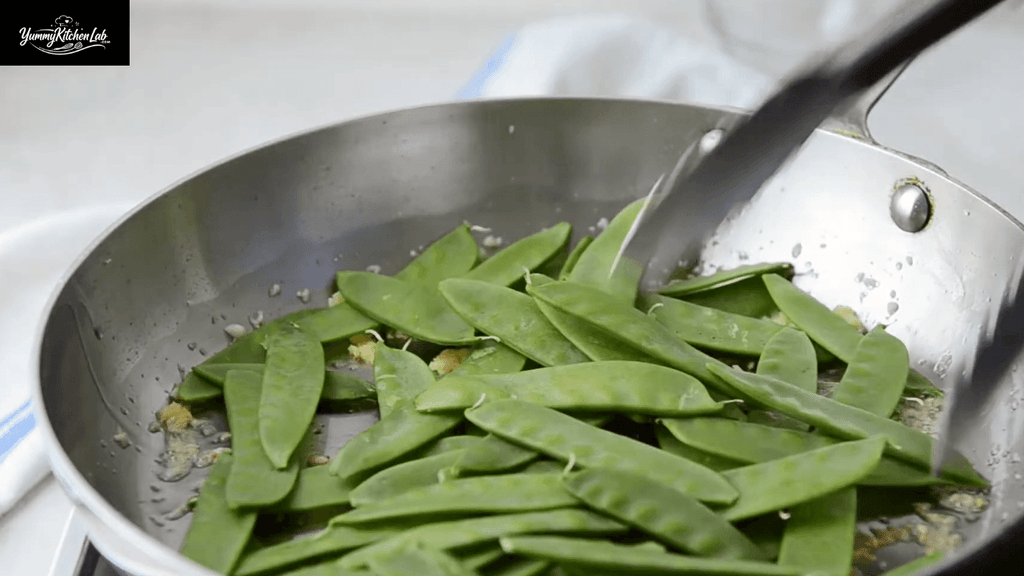
4. Add the Snow Peas
Dump the peas into the pan, spreading them in a single layer if you can. Toss for two to three minutes until they turn vivid green and start to blister in spots. They should bend a little but snap when you bite them. This is where most people overcook, so taste one early.
5. Pour in the Sauce
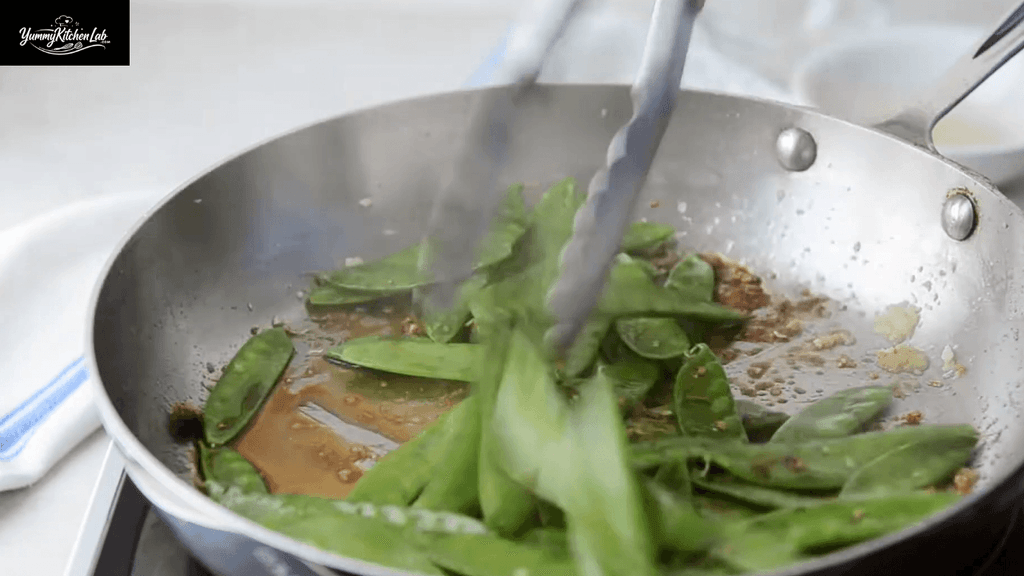
Give the sauce a quick stir, then pour it into the pan. It will bubble like crazy, which is exactly what you want. The heat kicks off the reduction and pulls the ginger and garlic flavor into the liquid. Keep tossing so every pea gets coated.
6. Reduce to a Glaze
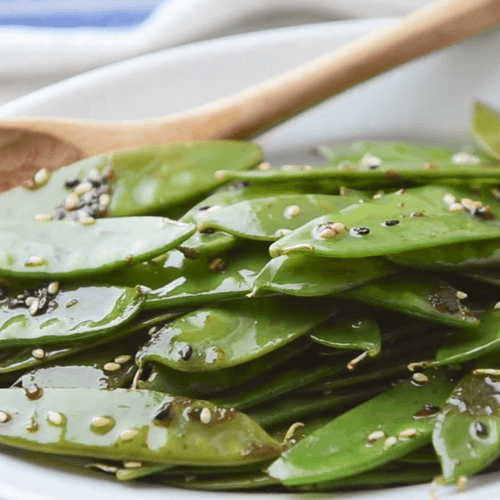
Let it simmer for 30 to 60 seconds, stirring often, until the sauce thickens and clings. You want a shiny coat, not a puddle. If it reduces too far, it turns sticky and salty, so pull the pan the second it glazes.
7. Finish with Sesame Seeds
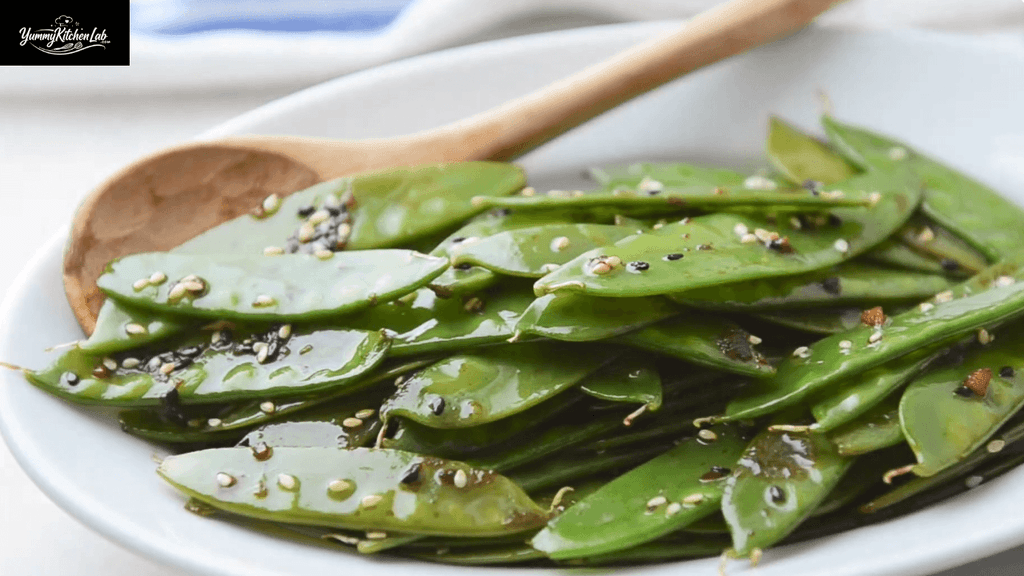
Kill the heat and scatter the sesame seeds on top. Give the pan one last toss and serve right away. Snow peas keep softening as they sit, so don’t let them hang around. That’s the whole recipe.
Pro Tips for Perfect Sesame Garlic Snow Peas
A few habits separate “pretty good” from “wait, you made this?”
- Dry the peas completely. Wet pods steam instead of sear, so pat them dry after washing. You will see the difference in color and snap.
- Use a big pan. Crowded peas drop the temperature and go soft. Cook in two batches if your skillet is small.
- Prep everything first. The cooking takes about five minutes, so measure and mix before you heat anything. Chopping mid-cook ends in tears and burnt garlic.
- Taste a pea before adding the sauce. Pod size and pan heat change the timing. Grab one at the two-minute mark and check for a tender-crisp bite.
- Mince ginger and garlic very fine. Small pieces cook evenly and spread flavor through the glaze. Big chunks burn or stay raw.
- Hold the extra salt. Soy sauce already brings plenty, and it concentrates as it reduces. Taste at the end, then decide.
- Toast your own sesame seeds. One minute in a dry pan beats seeds straight from the jar, hands down.
Easy Serving Ideas for Sesame Garlic Snow Peas
I make this dish constantly because it plays nicely with almost anything. The sesame and soy glaze slides next to most mains without a fuss. Here are the four pairings I keep coming back to.
Weeknight Rice Bowl
Pile the peas over steamed jasmine rice and top with a fried egg. The runny yolk mixes with the glaze and you get a full meal in under fifteen minutes. Add sliced cucumber if you want extra crunch.
With Grilled or Roasted Chicken
Sesame glazed peas balance rich, savory proteins really well. Try them next to soy-marinated grilled chicken thighs or a simple roast chicken. The vinegar in the glaze cuts right through the fat.
Alongside Salmon
Pan-seared or baked teriyaki salmon is a natural match. The crisp peas offset the oily richness of the fish. Add a scoop of brown rice and call it dinner.
As Part of a Noodle Night
Toss the peas through cold sesame noodles or serve them beside lo mein. The flavors overlap without repeating each other. It works great for casual dinners with a bunch of shared plates.
For presentation, I like a plain white plate or a shallow ceramic bowl so the green really pops. Sprinkle a few extra sesame seeds on top, and add a thin slice of red chili if you feel fancy.
Snow Peas Recipe FAQs
Can I use frozen snow peas?
You can, but they come out softer. Thaw them fully, pat them very dry, and cook for a shorter time. Fresh gives a much better snap, so I save frozen for emergencies.
What is the difference between snow peas and sugar snap peas?
Snow peas are flat with tiny, barely visible peas inside. Sugar snap peas are rounder and plumper with a thicker pod. Both work here, but snap peas need about a minute more.
How do I keep snow peas crisp?
Use high heat, a dry pan, and a short cook time. Skip the lid and don’t overcrowd the pan. Pull it off the heat the moment the sauce turns glossy.
Can I make this ahead of time?
It tastes best fresh, since the peas soften as they sit. You can mix the sauce and prep the ginger and garlic hours ahead, though. After that, the cooking takes just a few minutes.
Can I make this spicy or vegan?
It is already vegan as long as you use plain sugar and soy sauce. For heat, add a pinch of red pepper flakes with the garlic or a spoonful of chili crisp at the end. Both keep the glaze intact.
Final Thoughts
Here is the quick recap: dry peas, hot pan, fine-minced aromatics, a short simmer, and sesame seeds at the end. That’s it. Six minutes, one pan, zero drama.
I honestly think this dish makes people look like better cooks than they are, and I am fine with that. Give it a shot this week and tell me how it goes. Did you add chili crisp? Swap in snap peas? Drop a comment, because I want to hear about it.
Sesame Garlic Snow Peas Recipe
Ingredients
- 1 lb snow peas strings removed
- 1 tbsp neutral oil
- 1 tbsp fresh ginger minced
- 2 garlic cloves minced
- 2 tbsp soy sauce
- 1 tbsp rice wine vinegar
- 1 tsp toasted sesame oil
- 1 tsp sugar
- 1 tsp sesame seeds
Instructions
- Mix soy sauce, vinegar, sesame oil, and sugar.
- Heat oil in a skillet over medium-high heat.
- Saute ginger and garlic for 30 seconds.
- Add snow peas and cook 2 to 3 minutes.
- Pour in sauce and simmer until glazed.
- Top with sesame seeds and serve.
Video
Notes
- Swap tamari for soy sauce to make it gluten-free.
- Sugar snap peas work too; add one extra minute.
- Best served fresh; sauce can be mixed ahead.