

Okay, real talk. Bottled salad dressing is one of those things we all buy with good intentions and then feel vaguely guilty about every time we open the fridge. It sits there, full of preservatives and sadness, when a genuinely better option takes about five minutes to make from scratch. This citrus vinaigrette recipe is the one I keep coming back to because it does something most dressings don’t. It actually makes the salad taste better, not just wetter.
- Ingredients for Citrus Vinaigrette
- How to Make Citrus Vinaigrette (Step by Step)
- Step 1: Start With the Olive Oil
- Step 2: Add the White Wine Vinegar
- Step 3: Squeeze in the Lime and Lemon
- Step 4: Add the Orange Juice
- Step 5: Prep and Add the Orange Zest
- Step 6: Season With Salt and Pepper
- Step 7: Whisk Until It Comes Together
- Pro Tips to Make the Perfect Citrus Vinaigrette
- Serving Ideas for Citrus Vinaigrette
- Frequently Asked Questions
- Can I make this citrus vinaigrette ahead of time?
- What can I substitute for white wine vinegar?
- Do I need all three citrus fruits or can I just use one?
- Why does my vinaigrette separate so quickly?
- Can I use this as a marinade for proteins?
- Quick Recap: Why This Dressing is Worth Making
- citrus vinaigrette recipe
We’re talking fresh lime, lemon, orange juice, and orange zest all working together with good olive oil to create something bright, layered, and honestly kind of addictive. Once you try this, you’ll wonder why you ever trusted a plastic bottle with your greens.
“There’s not much to this recipe. It’s fairly easy. You can do it pretty quick.”
— Johnny Mac, The Sauce and Gravy Channel
And honestly? That’s the whole pitch right there. Johnny Mac keeps it real, and so will we. Great flavor doesn’t have to mean complicated technique. This citrus vinaigrette proves that the best recipes are often the simplest ones done with quality ingredients and a little attention.
Vinaigrettes have been around forever, built on the simple chemistry of combining acid with oil to create a light emulsion that coats your food. The citrus version takes that classic formula and gives it a serious personality upgrade. Instead of relying on a single citrus note, this recipe stacks lime, lemon, and orange for a dressing that’s bright without being one-dimensional. The orange zest is the real secret weapon here, delivering an intensity of flavor that juice alone could never pull off.

Ingredients for Citrus Vinaigrette
Before we get into the breakdown, here’s something worth knowing upfront. The quality of this dressing lives and dies by the quality of your citrus and oil. This is not the recipe to use up that sketchy bottle of oil that’s been in the back of your cabinet since 2021. Fresh, good-quality ingredients are the whole game here.
Olive Oil
Olive oil is the backbone of this whole dressing and it carries every other flavor along with it. The recipe calls for six tablespoons, which gives you that perfect coating-without-drowning ratio. IMO, extra virgin is non-negotiable here. Something with a mild, clean flavor works best. Go too grassy or bitter and you’ll fight the citrus instead of complementing it. Light olive oil is also a no-go since it lacks the body and depth that actually makes a vinaigrette work. The most common mistake? Using whatever oil is closest to the stove. That random bottle matters more than you think.
White Wine Vinegar
Two tablespoons of white wine vinegar bring the sharp, clean acidity that holds the whole dressing together. White wine vinegar is the right call here because it has a lighter, slightly floral character that plays nicely with citrus. Red wine vinegar can work as a substitute but expect a noticeably earthier, more robust result. Apple cider vinegar gives a slightly sweeter edge if that’s your thing. Whatever you do, avoid distilled white vinegar. It’s harsh, flat, and has no business being in a dressing this nuanced.
Fresh Lime
One full lime, squeezed straight into the bowl. Fresh lime juice has this sharp, almost electric brightness that bottled juice simply cannot replicate. Bottled stuff has a cooked, slightly metallic quality that deadens everything around it. When you’re at the store, grab limes that feel heavy for their size and give a little when you press them. Those are the juicy ones. Also, roll the lime firmly on the counter before cutting it. It breaks down the inner membranes and gets you significantly more juice.
Fresh Lemon
Half a lemon joins the lime and it’s not redundant at all. Lemon brings a rounder, softer tartness that balances lime’s sharper edge. Together they create a layered citrus acidity that neither fruit could achieve solo. Fresh is essential here, same as with the lime. If you’re short and only have one of the two, use what you’ve got but know the dressing will be simpler for it. Skip the concentrate entirely. It tastes flat and overly sour and it will drag the whole dressing down.
Fresh Orange Juice
About one tablespoon of freshly squeezed orange juice goes in, and even though that sounds like barely anything, it does a lot. The orange adds a quiet sweetness that rounds out the acidity without pushing the dressing into sweet territory. Think of it as the peacekeeper between the sharp lime and vinegar. A good no-sugar-added store-bought OJ can technically fill in here if you’re in a rush, but fresh is always the better call when it’s an option.
Orange Zest
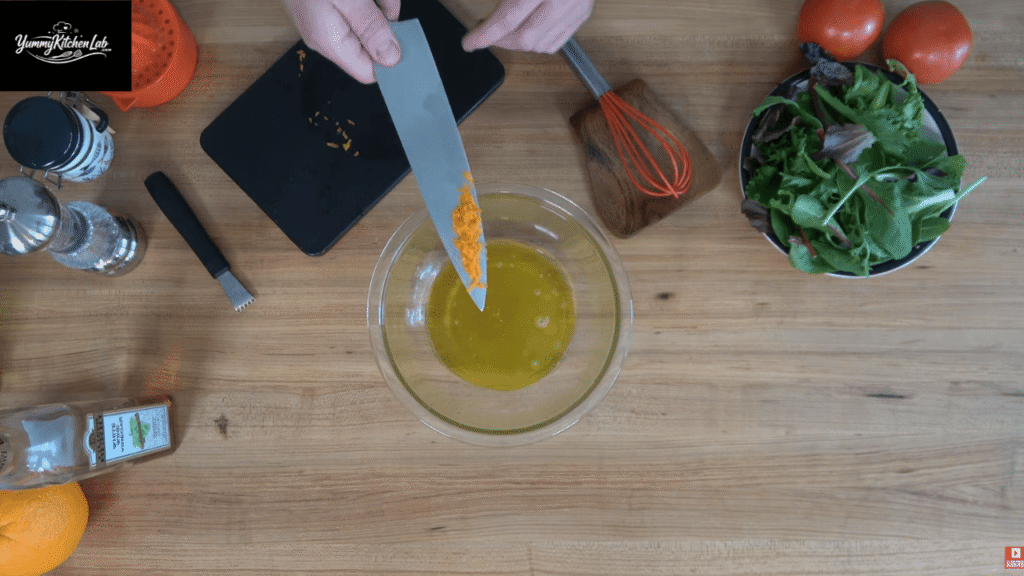
FYI, this is the ingredient that separates a good citrus vinaigrette from an exceptional one. About one tablespoon of finely chopped orange zest goes into the bowl, and it delivers a concentrated citrus aroma that juice simply can’t match. Zest contains the essential oils from the orange skin, and those oils are incredibly potent. The key is chopping it fine. Large pieces of zest feel gritty and weird in a dressing. Use a microplane or the fine side of a box grater, then run the knife through it once more on the board. And only take the orange outer layer. The white pith underneath is bitter and it will ruin the flavor.
Salt and Pepper
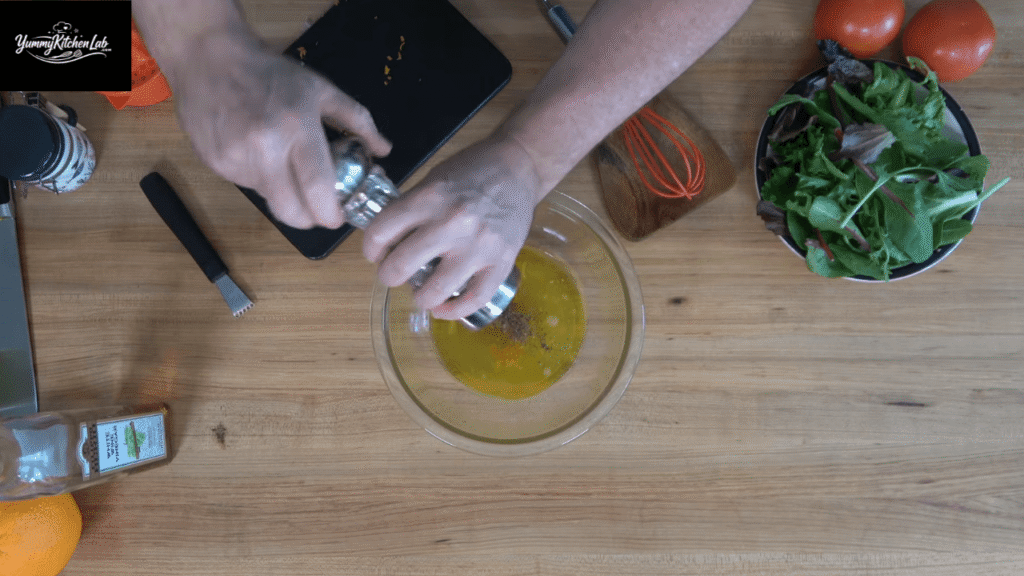
Salt and pepper to taste, added at the end. Simple as that sounds, this step genuinely matters. Salt doesn’t just season the dressing. It actually sharpens and amplifies the citrus flavors and makes everything taste more alive. Start with a small pinch and taste before you add more. Freshly cracked black pepper is worth the extra ten seconds it takes. It’s warmer and more aromatic than pre-ground. Kosher salt or flaky sea salt are both great choices here since they dissolve cleanly and give you better control than table salt.
How to Make Citrus Vinaigrette (Step by Step)
Step 1: Start With the Olive Oil
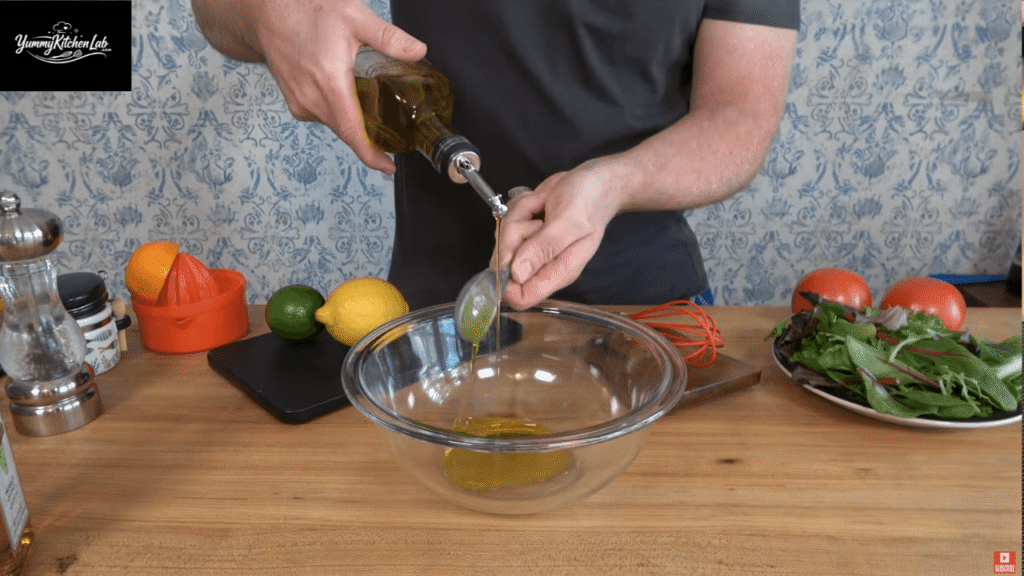
Measure six tablespoons of olive oil into a bowl that’s big enough to whisk in comfortably. You want room to move the whisk without flinging dressing across your kitchen. Starting with the oil creates a base that every other ingredient layers into, which makes the final emulsification much smoother.
Step 2: Add the White Wine Vinegar
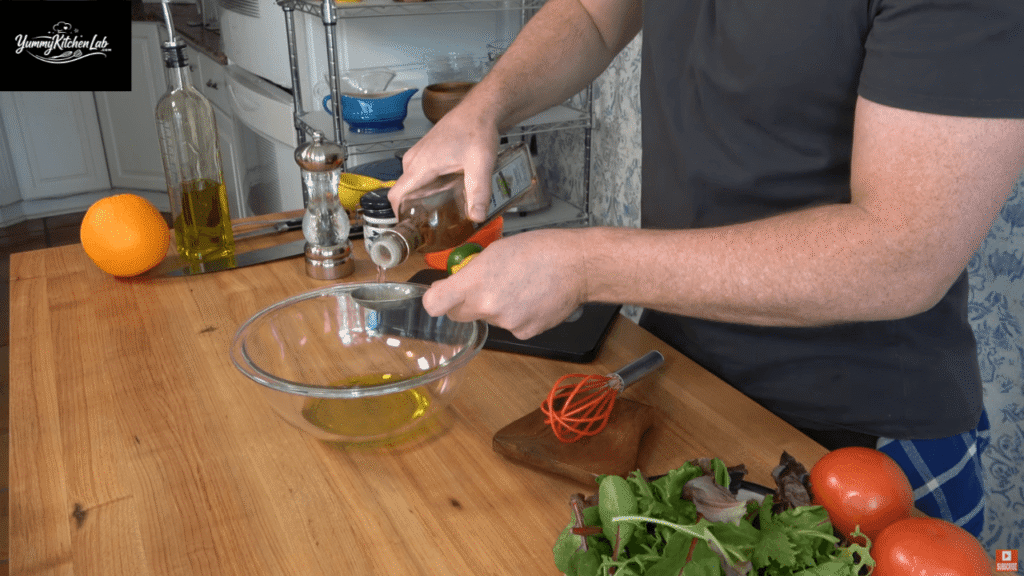
Pour two tablespoons of white wine vinegar into the bowl with the oil. At this point, the two will sit separately and that’s completely fine. Don’t try to whisk them together yet. Adding all the liquid ingredients first before you emulsify makes the whole process easier and more effective.
Step 3: Squeeze in the Lime and Lemon
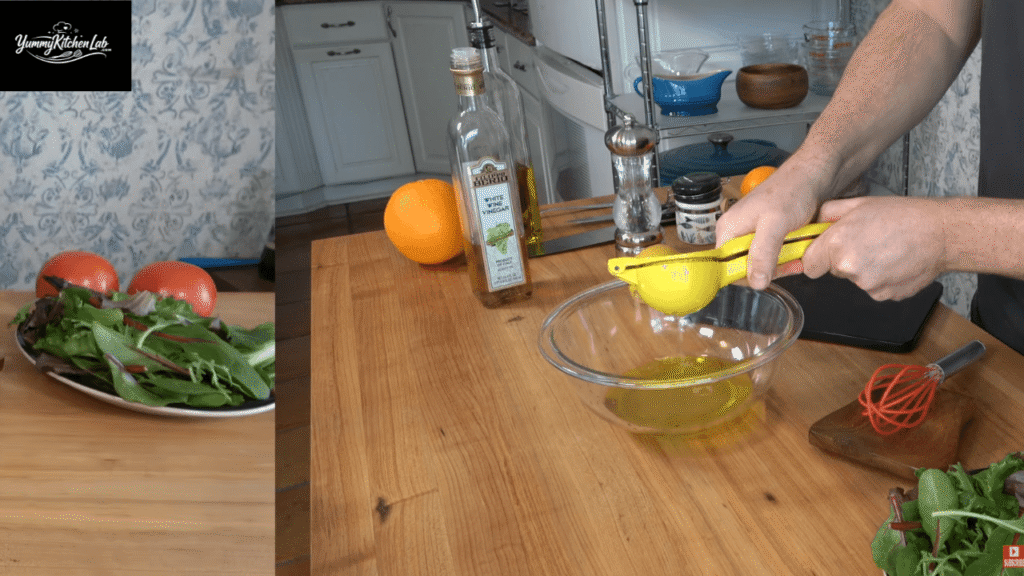
Squeeze one full lime and half a lemon into the bowl, catching any seeds with your free hand or using a small strainer. This is where the citrus foundation of the dressing starts to build. A handheld citrus squeezer is genuinely worth owning if you don’t have one. It gets more juice out and it’s faster than fighting with a fork.
Step 4: Add the Orange Juice
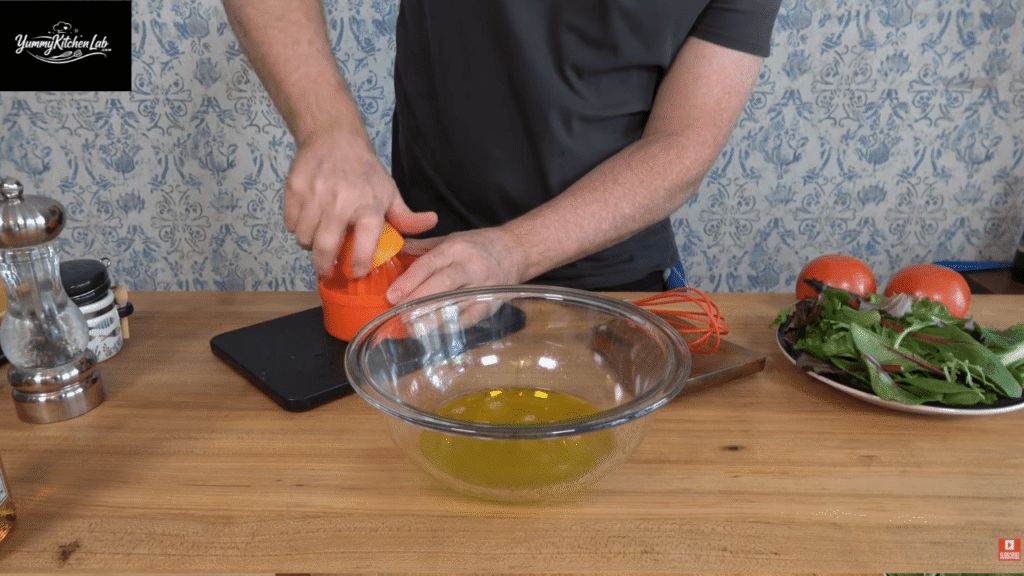
Squeeze roughly one tablespoon of fresh orange juice into the mix. You won’t need the whole orange for this. One good squeeze over the bowl is usually enough. This small addition smooths out the sharper acids and gives the dressing a more cohesive, well-rounded finish.
Step 5: Prep and Add the Orange Zest
Zest your orange, then chop the zest finely on a cutting board before it goes into the bowl. The extra chop step is easy to skip and easy to regret. Finer zest distributes more evenly through the dressing and releases more of those essential oils into the mix. Add about one tablespoon of the finely chopped zest to the bowl.
Step 6: Season With Salt and Pepper
Add salt and pepper to taste. The golden rule here is to start with less than you think you need. A small pinch of kosher salt and four or five cracks of fresh black pepper is usually the right starting point. Taste it, adjust, and taste again. The salt will make the citrus flavors pop in a way that’s pretty satisfying to experience.
Step 7: Whisk Until It Comes Together
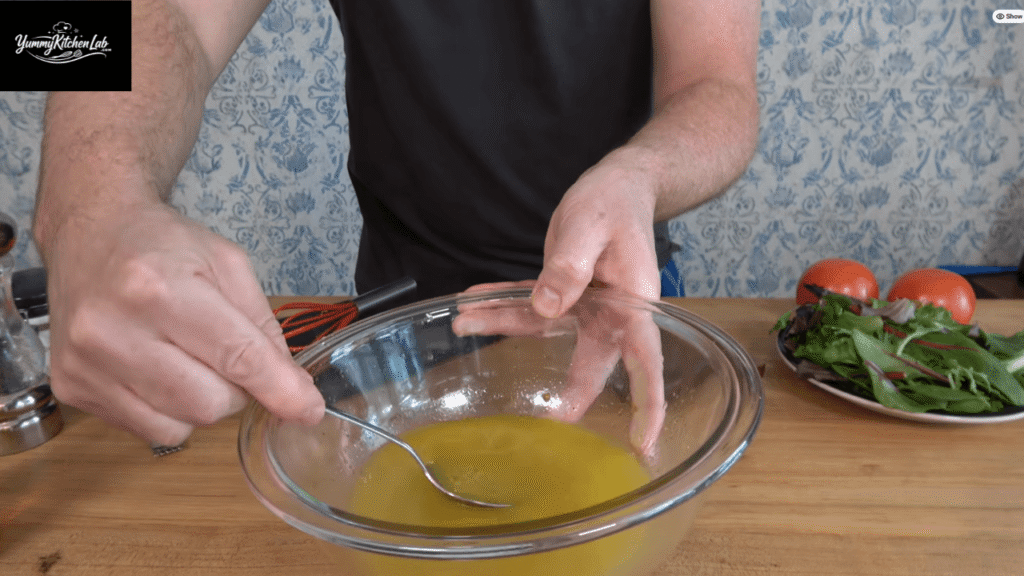
Grab a whisk and go at it firmly for 30 to 60 seconds. You’re looking for the oil and acids to combine into a uniform, slightly thickened liquid that coats the back of a spoon. When it stops looking like two separate things and starts looking like one dressing, you’re done. Serve it right away or give it a quick re-whisk if it’s been sitting for a bit.
Pro Tips to Make the Perfect Citrus Vinaigrette
A few small tweaks make a real difference between a dressing that’s fine and one that people ask you about. Here’s what actually matters:
- Use room-temperature citrus. Cold fruit from the fridge gives you less juice. Let your citrus sit out for 15 to 20 minutes or pop it in the microwave for 10 seconds before squeezing.
- Always chop the zest. Bigger pieces of zest create uneven flavor and an unpleasant texture. A few quick passes of the knife on the board is all it takes to fix that.
- Taste before you finish. Every citrus fruit is different. Some oranges are sweeter, some limes are more tart. Taste the dressing and adjust with a splash more vinegar or a pinch of sugar based on what yours actually needs.
- Try a little honey if it’s too sharp. Half a teaspoon of honey stirred in will soften an overly tart dressing without making it taste sweet. It’s not in the original recipe, but it’s a handy fix to keep in your back pocket.
- Whisk hard or shake it in a jar. A gentle stir won’t cut it. You need real speed and motion to get the oil and acid to emulsify. A sealed jar you can shake vigorously works just as well as a whisk if you’d rather skip the bowl cleanup.
- Make it the day of. Fresh citrus brightness fades fast, especially lime. If you’re prepping ahead, hold the zest back and stir it in right before serving for the best flavor.
- Store leftovers in a sealed jar. It keeps in the fridge for up to three days. The oil will solidify slightly when cold, which is normal. Just let it come to room temp and give it a good shake before using.
- Go easy with the dressing. This vinaigrette is assertive. Start with less than you think you need when tossing a salad, then add more as needed. Too much and you’ll drown everything you just worked to build.
Serving Ideas for Citrus Vinaigrette
This dressing is genuinely one of the more versatile things you can keep in your fridge. Here are four solid ways to use it beyond just a basic green salad.
Simple Arugula and Shaved Parmesan Salad
Arugula’s peppery bite and Parmesan’s salty depth are practically made for citrus dressing. The acidity cuts through the richness of the cheese and makes the whole salad feel bright and intentional. Toss in toasted pine nuts and fresh peach slices in summer and you’ve got something genuinely worth repeating.
Grilled Chicken or Salmon Marinade
This vinaigrette pulls double duty as a marinade. The citrus acid tenderizes the surface of the protein while the olive oil keeps moisture in during cooking. Chicken breasts can marinate for 30 to 60 minutes. Salmon fillets need no more than 20 minutes since citrus will start to chemically cook the fish if you leave it longer.
Grain Bowl Dressing
Drizzle it over a bowl of farro, quinoa, or brown rice with whatever roasted vegetables you have and a soft-boiled egg on top. The brightness of the dressing does most of the flavor work, so you don’t need a complicated sauce situation to make the bowl feel complete and satisfying.
Roasted Vegetable Finish
Pull asparagus, broccoli, or carrots out of the oven and drizzle the vinaigrette over them while they’re still hot. The heat draws the dressing in slightly so it coats instead of pools. It’s a small detail that turns a basic side dish into something people actually get excited about.
For presentation, skip pre-dressing the entire salad if you’re serving guests. Pour the vinaigrette into a small jar or ramekin and let people dress their own portions. It keeps the greens from going limp and honestly looks a little more intentional on the table.
Frequently Asked Questions
Can I make this citrus vinaigrette ahead of time?
Yes, with one caveat. It keeps in the fridge for up to three days in a sealed jar. The flavor is at its peak on day one, so if you’re making it ahead, hold the orange zest back and add it fresh right before serving. Give the jar a shake each time before using since the oil and acid will separate as it sits.
What can I substitute for white wine vinegar?
Apple cider vinegar is the closest alternative and gives the dressing a slightly softer, fruitier edge. Champagne vinegar is also a great option if you want to stay in the same light, bright flavor zone. Red wine vinegar works too but pushes the dressing in a more earthy direction, which changes the overall character a bit.
Do I need all three citrus fruits or can I just use one?
You can absolutely use just one, but the dressing will taste simpler and more one-dimensional. The whole point of combining lime, lemon, and orange is the layered complexity you get from three different citrus personalities in one bowl. If you only have two, go with lime and orange. That pairing covers both the sharp and the sweet ends of the spectrum.
Why does my vinaigrette separate so quickly?
Because that’s just what oil and water-based liquids do without a proper emulsifier like mustard or egg yolk. This recipe doesn’t include one, so some separation is completely expected and totally normal. A hard shake in a sealed jar or a quick whisk brings it back together in about ten seconds. Nothing went wrong.
Can I use this as a marinade for proteins?
Absolutely. It’s particularly good with chicken, shrimp, and salmon. The citrus tenderizes the surface while the olive oil protects against moisture loss during cooking. Stick to 30 to 60 minutes for chicken and no more than 20 minutes for fish. Citrus will start to chemically cook fish proteins if it sits too long, which gives you a weird mushy texture before the heat even touches it.
Quick Recap: Why This Dressing is Worth Making
This citrus vinaigrette is one of those recipes that takes almost no time but delivers flavor that makes people think you put in serious effort. Fresh citrus, good olive oil, a little zest, and a whisk. That’s genuinely all it takes to have a dressing that’s brighter and more alive than anything sitting in a bottle on a grocery store shelf.
Make it once and you’ll find yourself making it on autopilot. It’s the kind of thing that quietly becomes part of your regular rotation without you even realizing it. Give it a shot this week, taste it before you dress the salad, and adjust it to your own preference. That’s the whole secret.
citrus vinaigrette recipe
Ingredients
- 6 tablespoons extra virgin olive oil
- 2 tablespoons white wine vinegar
- Juice of 1 full lime
- Juice of half a lemon
- 1 tablespoons fresh orange juice
- 1 tablespoons orange zest, finely chopped
- Salt and pepper to taste
Instructions
- Add olive oil to a bowl.
- Pour in white wine vinegar.
- Squeeze in lime juice and lemon juice.
- Add fresh orange juice.
- Stir in finely chopped orange zest.
- Season with salt and pepper to taste.
- Whisk firmly for 30 to 60 seconds until emulsified.
- Serve immediately or store in a sealed jar.
Video
Notes
- Swap white wine vinegar with apple cider vinegar or champagne vinegar if needed.
- Store in a sealed jar in the refrigerator for up to 3 days. Shake well before each use.
- As a marinade, limit fish to 20 minutes and chicken to a maximum of 60 minutes.