

You know that dish your grandma used to make that nobody else could replicate? This is probably it. Wilted lettuce is one of those old-school Southern recipes that sounds almost too simple to be worth your time, but the second you taste it, you completely get it. Fresh leaf lettuce, hot bacon drippings, a splash of apple cider vinegar, and a little bit of patience. That’s genuinely all it takes.
- Ingredients You’ll Need
- How to Make Wilted Lettuce Recipe (Step by Step)
- Step 1: Cook the Bacon Until It’s Properly Crispy
- Step 2: Remove the Bacon and Drain Most of the Grease
- Step 3: Add the Apple Cider Vinegar
- Step 4: Warm the Dressing Gently
- Step 5: Get Your Lettuce and Onion Ready
- Step 6: Pour the Hot Dressing Over the Lettuce
- Step 7: Let It Wilt, Then Add the Bacon Back In
- Pro Tips to Make the Perfect Wilted Lettuce Recipe
- Serving Ideas
- Frequently Asked Questions
- Can I use a different type of lettuce?
- What if I don’t have apple cider vinegar?
- Why isn’t my lettuce wilting properly?
- Can I make this ahead of time?
- Can I make this without bacon?
- Final Thoughts
- Wilted Lettuce Recipe
If you grew up in a Southern household, this recipe probably brings back some serious nostalgia. And if you didn’t, well, consider this your very welcome introduction to one of the most underrated sides in American cooking.
“You want to get those bits up from the bottom, that’s where all the flavor lives.”
That one line basically sums up the whole recipe. The browned bits stuck to the bottom of the pan after the bacon crisps up are pure gold. Every technique in this wilted lettuce recipe is designed around capturing that flavor and making sure none of it goes to waste.
Wilted lettuce has deep roots in Southern Appalachian cooking, where wasting food simply wasn’t an option. Families would pour a hot bacon dressing over fresh garden lettuce just enough to soften it without fully cooking it. The result sat somewhere between a warm salad and a cooked green, and it was absolutely the kind of thing people talked about long after the meal was over.
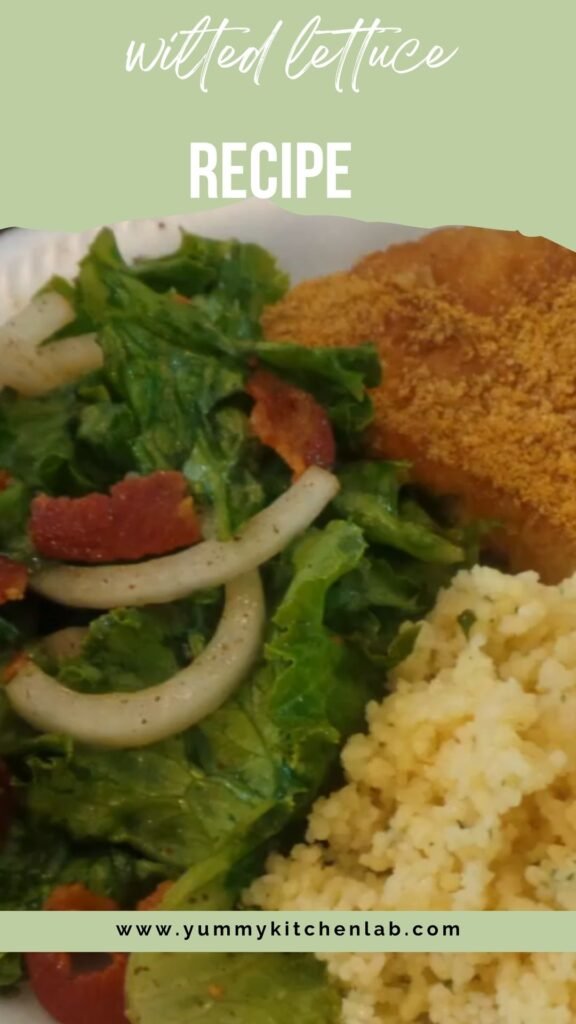
Ingredients You’ll Need
Here’s the thing about this recipe: it only uses five ingredients. FYI, that means every single one of them actually matters. There’s no room to cut corners or swap in something mediocre and hope nobody notices.
Bacon
Bacon is doing double duty here. It becomes the crispy, salty topping AND it provides the fat that turns into your dressing. Those are two very important jobs, so don’t cheap out on it.
Thick-cut bacon is your best friend for this recipe. It renders out more fat, holds its texture better, and stays genuinely crispy even after you toss it back into the warm lettuce. Thin-cut bacon tends to disappear into the salad and turns chewy pretty fast. Pre-cooked bacon is a hard no here because you need the rendered grease, and pre-cooked strips give you basically nothing to work with.
Plan on about 10 slices for a large bowl of lettuce. That sounds like a lot, but trust the process.
Leaf Lettuce
Not iceberg. Not romaine. Leaf lettuce specifically, because it wilts perfectly under a hot dressing without turning into a soggy, unpleasant mess.
Iceberg just sits there being crunchy and confused, and romaine doesn’t absorb the dressing the way you need it to. Look for fresh, crisp leaf lettuce that feels alive, not something that’s been sitting in a plastic bag for a week slowly giving up on itself.
Wash it thoroughly, run it through a salad spinner until it’s completely dry, and tear it into bite-sized pieces by hand. Wet lettuce will dilute your dressing and cause the hot grease to splatter everywhere. Nobody wants that.
Apple Cider Vinegar
The vinegar is what transforms rendered bacon fat into an actual dressing. It cuts through the richness, adds brightness, and gives the dish that signature tang you’ll keep thinking about after the meal is done.
Apple cider vinegar is the traditional choice, and IMO it’s the best one. It has a slightly fruity, mellow acidity that plays really well against the smokiness of the bacon. White vinegar works as a substitute, but it’s sharper and more aggressive, so use a little less if you go that route.
Measure it out before you go anywhere near the hot pan. Fumbling with a bottle while bacon grease is popping at you is not a fun situation.
Bacon Grease
After the bacon crisps up, you’re keeping about two tablespoons of that rendered fat in the pan. This is not negotiable. The grease is the base of your warm dressing, and it carries the smoky depth that makes this dish taste like so much more than the sum of its parts.
Drain the excess carefully because too much grease makes the whole thing heavy and greasy instead of glossy and well-dressed. Two tablespoons is the sweet spot. Let it cool for a minute or two before adding the vinegar, but keep it warm enough to wilt the lettuce when you pour it.
Onion
Half a small onion, sliced thin. That’s it.
The raw onion adds a sharp, slightly sweet contrast that balances the richness of the dressing without taking over. Yellow onion works great here, but sweet onion or green onion are solid swaps depending on what you’ve got. Slice it thin so it softens a little when the hot dressing hits it. It’s a supporting character in this dish, not the star.
How to Make Wilted Lettuce Recipe (Step by Step)
Step 1: Cook the Bacon Until It’s Properly Crispy
Cut your bacon into smaller pieces before it hits the pan. More surface area means more crispiness, and smaller pieces are way easier to toss through the lettuce at the end.
Cook over medium heat and don’t rush it. You want every piece genuinely crispy and most of the fat fully rendered out. Undercooked bacon will turn chewy the second it meets the warm lettuce, and that’s not the vibe we’re going for here.
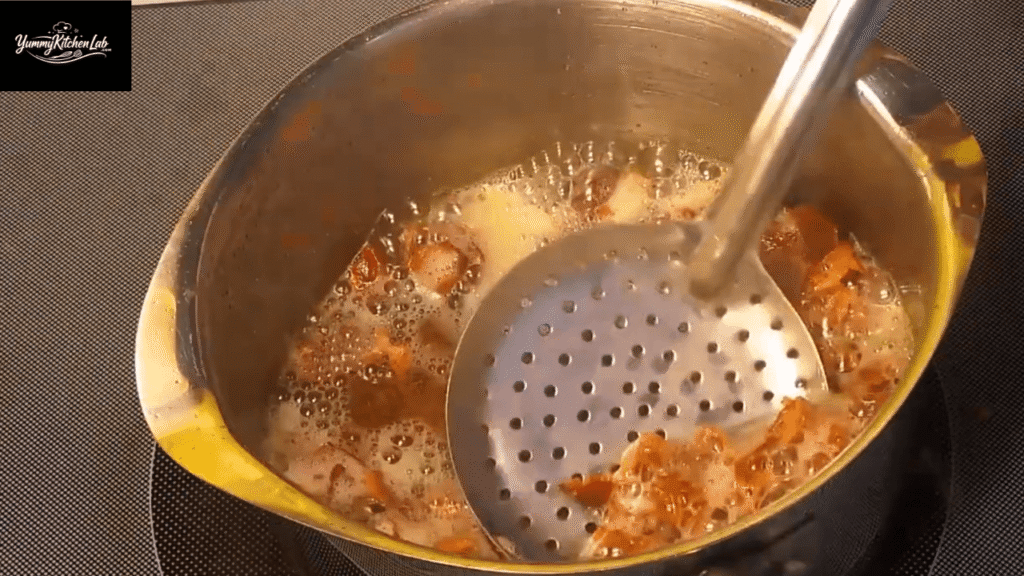
Step 2: Remove the Bacon and Drain Most of the Grease
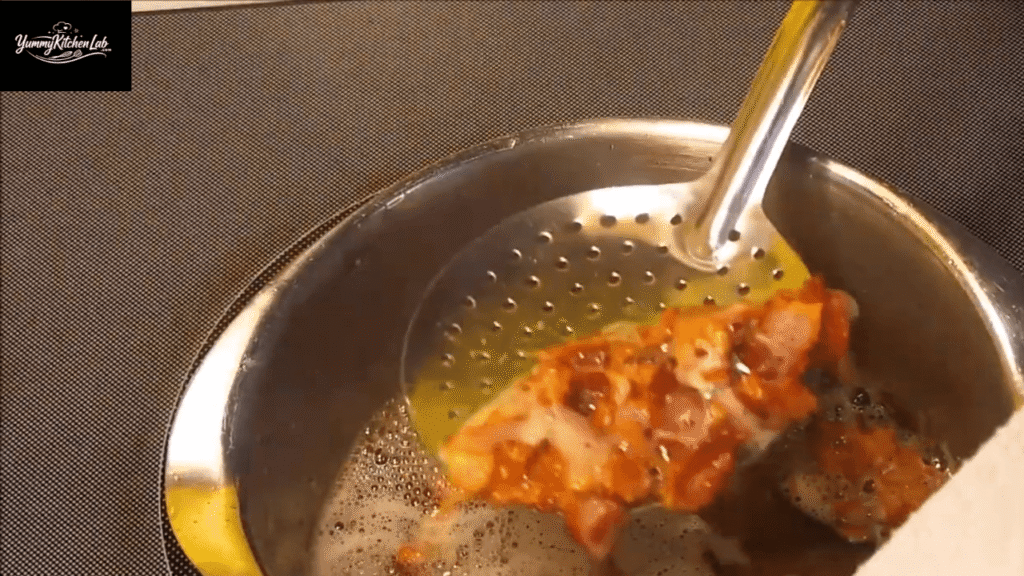
Lift the crispy bacon out of the pan and set it on a paper towel-lined plate. Then carefully pour off most of the grease, leaving those two tablespoons behind.
This step actually matters more than it sounds. Too little grease and the dressing won’t properly coat the lettuce. Too much and the whole dish feels heavy and one-note. Tip the pan slowly and use a heat-safe bowl to catch the excess. Don’t toss it, you can use leftover bacon grease for all kinds of things.
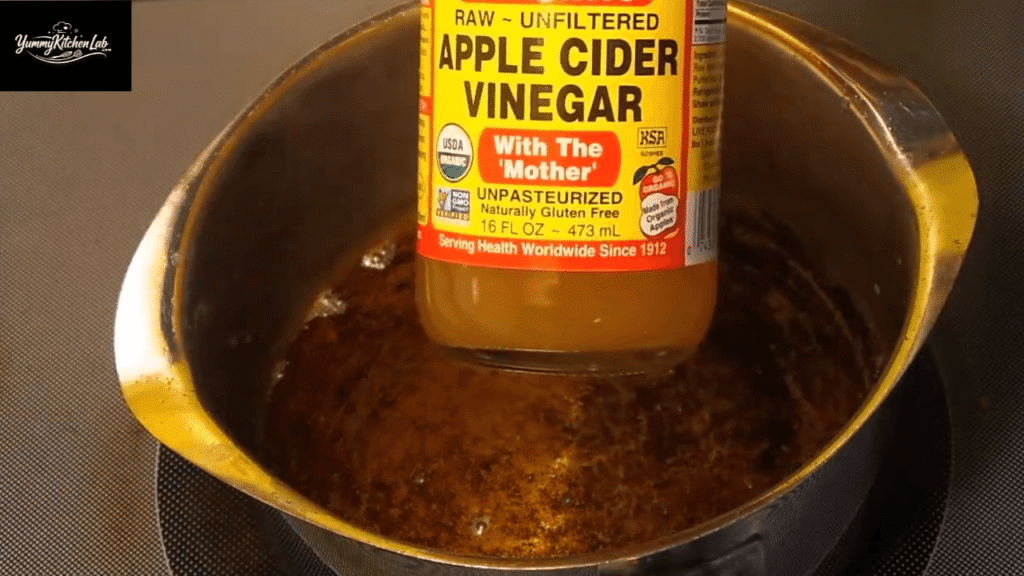
Step 3: Add the Apple Cider Vinegar
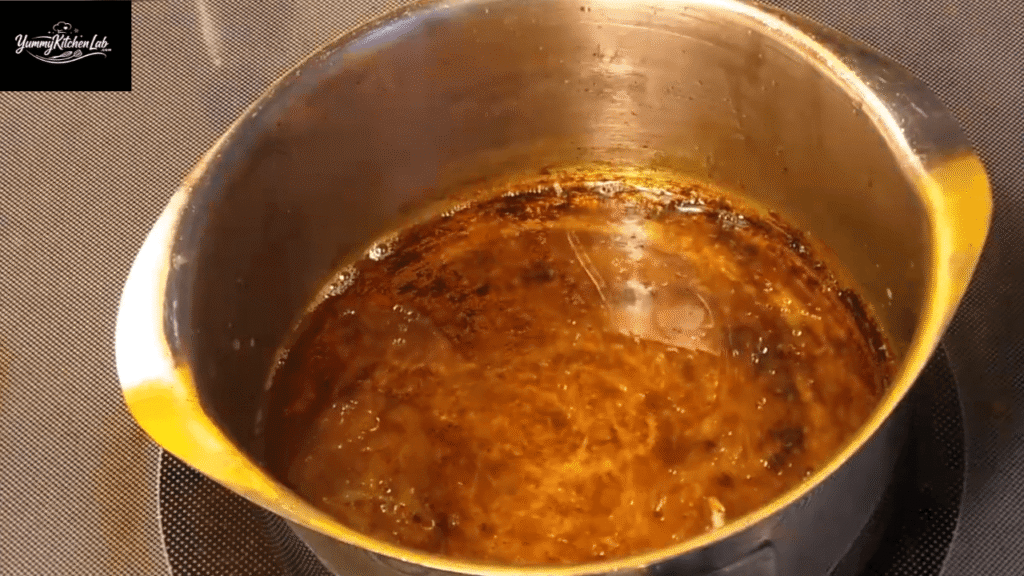
This is the step that deserves your full attention. Pour a quarter cup of apple cider vinegar into the pan with the warm bacon grease.
The liquid hitting the hot fat is going to pop and sizzle. Stand back slightly, pour slowly, and keep the heat off or on the lowest setting. Once it’s in, stir and scrape the bottom of the pan firmly to lift all those browned bits. That’s the flavor you’re building the dressing around.
Step 4: Warm the Dressing Gently
Turn the heat to low and let the vinegar and grease mixture warm through until it just barely simmers. You’re not trying to reduce it or cook it down. You’re just bringing it up to temperature so it’s hot enough to do its job.
This takes a minute or two at most. If the dressing cools before you pour it, the lettuce won’t wilt properly and you’ll end up with something that tastes like an underdressed, lukewarm salad. That’s not what we’re making.
Step 5: Get Your Lettuce and Onion Ready
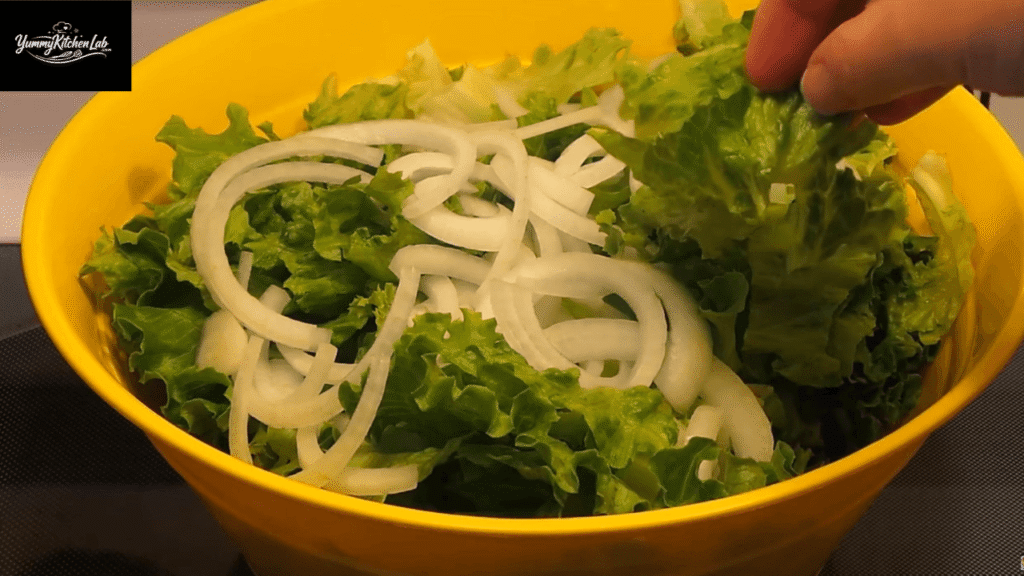
While the dressing warms, double-check that your lettuce is completely dry and in a large bowl with the sliced onion on top.
Seriously, this is the moment to make sure your salad spinner actually did its job. Any water left on the leaves will water down your dressing and cause splattering when the hot liquid hits the bowl. A dry bowl and dry lettuce make the whole thing go much more smoothly.
Step 6: Pour the Hot Dressing Over the Lettuce
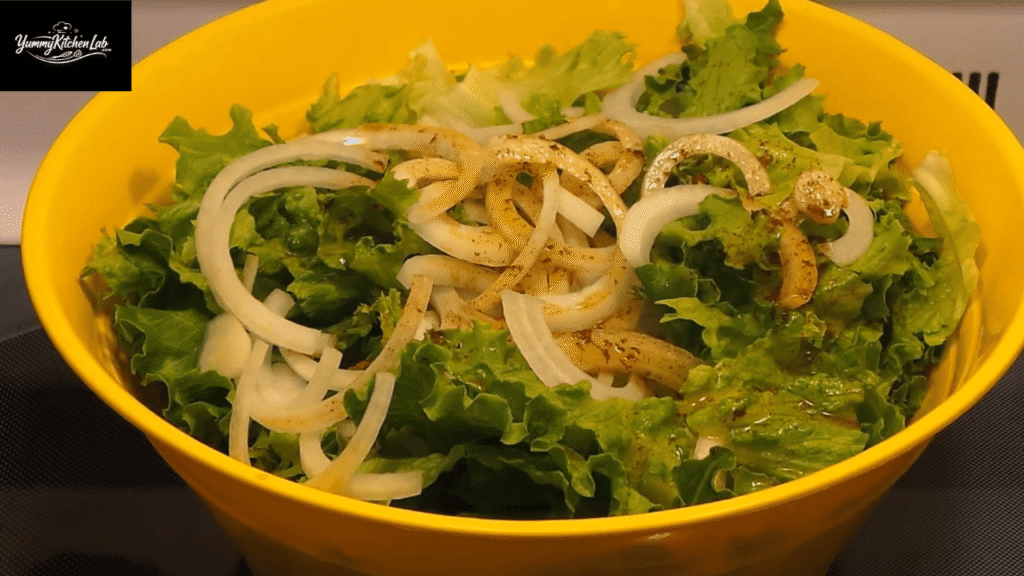
Pour the hot bacon and vinegar dressing directly over the bowl of lettuce and onion, then toss immediately. Get every leaf coated as quickly as possible.
The wilting happens on contact with the heat, so the faster and more thorough your toss, the more evenly the lettuce wilts. Do this somewhere you don’t mind a little steam and the occasional splash. The sink works well.
Step 7: Let It Wilt, Then Add the Bacon Back In
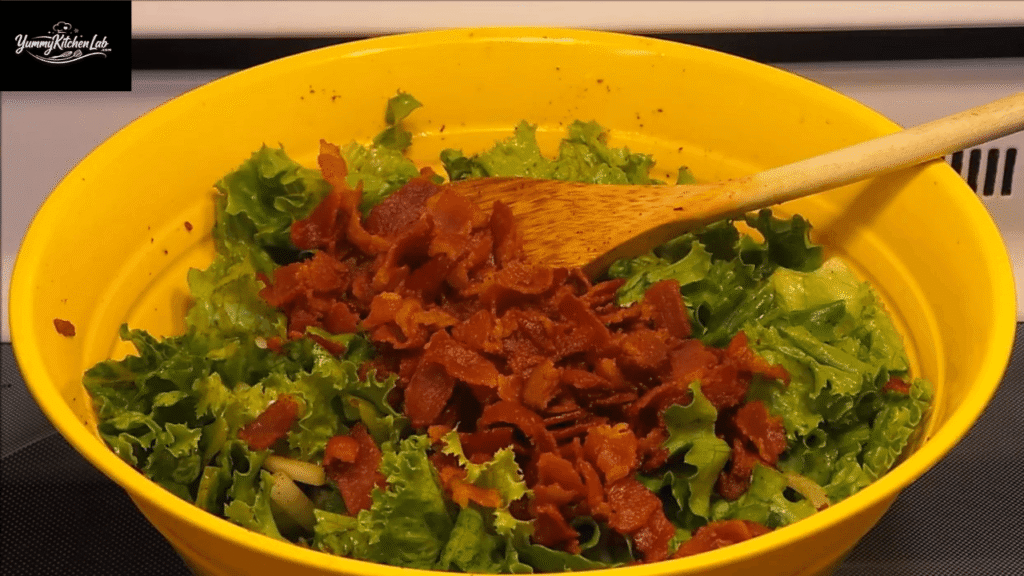
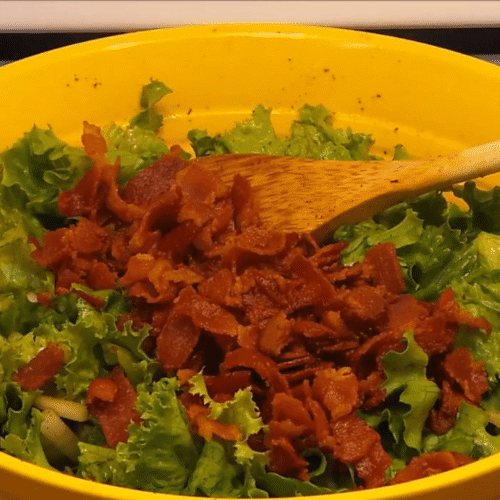
Let the dressed lettuce sit for a few minutes. You’ll see it shrink and turn a deeper, glossy green as it wilts down. Once it looks right, add all the crispy bacon back in and toss again.
Here’s the thing: this step is the one most likely to get forgotten. The video creator almost left the bacon out entirely. The bacon is not a garnish. It is a core part of the dish, so don’t skip it.
Pro Tips to Make the Perfect Wilted Lettuce Recipe
A few small things make a big difference here. These are the details that separate a solid result from something people actually ask you to make again.
Dry your lettuce completely. Water on the leaves dilutes the dressing and makes the hot grease pop aggressively. Use a salad spinner and blot with a paper towel if you need to.
Scrape the pan bottom when adding vinegar. Those caramelized bacon bits dissolve into the dressing and add a layer of flavor you genuinely cannot get any other way. Don’t leave them behind.
Let the grease cool slightly before adding vinegar. If the fat is screaming hot when the vinegar hits it, things get dramatic fast. A minute of cooling keeps it manageable while keeping the dressing hot enough to work.
Keep the heat low when warming the dressing. You want heat, not reduction. Cooking it too long drives off the bright acidity of the vinegar and makes the dressing taste flat and one-dimensional.
Toss fast and toss thoroughly. Wilting happens on contact. Leaves at the bottom can over-wilt while leaves at the top stay completely raw if you’re not moving quickly. Get in there and toss everything right away.
Add the bacon after wilting, not before. Crispy bacon added after the lettuce has wilted stays crunchier longer. If you add it during the pour, it softens in the steam and loses most of its texture.
Serve it immediately. This dish does not sit well. The texture is at its best in the first five to ten minutes after making it. After that, the lettuce keeps breaking down and the bacon softens. Make it right before you eat.
Taste and adjust the vinegar. A quarter cup is the baseline, but everyone’s palate is different. Want it tangier? Go up to a third of a cup. Prefer it richer and less acidic? Pull back by a tablespoon or two.
Serving Ideas
Wilted lettuce is a warm, tangy side that pairs best with hearty, comforting food. Here are four solid ways to put it on the table.
Classic Southern Supper
Serve it alongside fried chicken, pork chops, or chicken-fried steak. The acidity in the dressing cuts right through the richness of fried food, and the warm salad handles both the vegetable and side dish duties in a single bowl. A piece of cornbread on the side to soak up the leftover dressing at the bottom is a very good idea.
Weekend Brunch Table
Wilted lettuce fits surprisingly well into a brunch spread next to scrambled eggs, biscuits, and country gravy. The bacon is already built in, so it makes total sense alongside other breakfast-forward dishes. Try topping it with a soft poached egg for something a little more composed and visually interesting.
Simple Weeknight Dinner
Pair it with roasted or baked chicken and a pot of canned white beans or pinto beans. The whole meal comes together in under 30 minutes, and the wilted lettuce adds something warm and green without any extra fuss. It’s the kind of side that makes a basic weeknight dinner feel like you actually tried.
Potluck or Family Gathering
This one works well if you prep ahead and assemble on-site. Bring the bacon pre-cooked and the lettuce pre-washed, then make the dressing and put it all together right before serving. It’s the dish people circle back to ask about, especially guests who’ve never encountered warm lettuce in a salad format before.
For presentation, use a wide, shallow bowl so the glossy leaves and bacon are front and center. A wooden serving bowl gives it that rustic, Southern character that suits the dish really well.
Frequently Asked Questions
Can I use a different type of lettuce?
Leaf lettuce is the best option because it wilts evenly and quickly without getting mushy. Romaine can technically work, but it stays crunchier and doesn’t absorb the dressing as effectively. Avoid iceberg entirely. It doesn’t wilt, it just gets wet and sad.
What if I don’t have apple cider vinegar?
White vinegar is your closest substitute. It’s sharper and more acidic, so start with about three tablespoons instead of the full quarter cup and taste as you go. Red wine vinegar also works and adds a bit more complexity to the flavor if you want to mix things up.
Why isn’t my lettuce wilting properly?
The dressing wasn’t hot enough when you poured it. Make sure the vinegar and grease mixture is genuinely simmering before it goes over the lettuce. Warm dressing won’t get the job done. It needs to be properly hot.
Can I make this ahead of time?
Short answer: no. Wilted lettuce is a right-before-you-eat situation. The lettuce keeps breaking down, the bacon goes soft, and after even an hour the texture is noticeably worse. Make it fresh every time.
Can I make this without bacon?
You can get close by using olive oil or butter in place of the bacon grease and adding smoked paprika for that smoky depth. It won’t be exactly the same dish, but the technique works. Just remember to add a pinch of salt since bacon was handling that job in the original recipe.
Final Thoughts
Wilted lettuce is one of those recipes that proves you don’t need a long ingredient list or a complicated technique to make something genuinely worth eating. Five ingredients, one pan, about 17 minutes, and you’ve got a warm, tangy, smoky side dish that tastes like it came from a grandmother’s kitchen rather than a 20-minute cooking session on a Tuesday night.
The keys are simple: dry lettuce, hot dressing, a thorough toss, and crispy bacon added at the very end. Nail those four things and this recipe will absolutely deliver every time.
Give it a shot this week, especially if you’ve never tried warm lettuce before. You might be surprised how quickly it becomes a regular part of your dinner rotation.
Wilted Lettuce Recipe
Ingredients
- 10 slices bacon, cut into smaller pieces
- 2 tbsp reserved bacon grease
- 1/4 cup apple cider vinegar
- 1 large head leaf lettuce, washed, dried, and torn
- 1/2 small onion, thinly sliced
Instructions
- Cook bacon pieces in a skillet over medium heat until fully crispy. Remove to a paper towel-lined plate.
- Pour off most of the grease, leaving about 2 tablespoons in the pan.
- Let grease cool slightly, then pour in the apple cider vinegar. Stir and scrape up browned bits from the pan bottom.
- Warm the dressing over low heat until it just simmers.
- Place dried lettuce and sliced onion in a large bowl.
- Pour the hot dressing over the lettuce and toss immediately to wilt the leaves.
- Let sit 2 to 3 minutes, add the crispy bacon back in, toss to combine, and serve right away.
Notes
- No apple cider vinegar? Use white vinegar but start with slightly less since it’s sharper.
- Dry the lettuce completely before adding the dressing to avoid splattering and a diluted flavor.
- Serve immediately. This dish does not hold well and is best eaten within 10 minutes of making.