

Most people hear “bisque” and immediately think it’s too fancy to make at home. Spoiler: it’s not. This shrimp bisque soup recipe is the kind of dish that looks like you spent all day in the kitchen but actually comes together in under an hour. We’re talking silky smooth, deeply flavored, with real Gulf shrimp cooked in a buttery lemon sauce on top. If your bisque routine currently involves opening a can, this recipe is about to change your whole outlook.
- Ingredients for Shrimp Bisque Soup
- Shell-On, Head-On Shrimp
- Butter
- Extra Virgin Olive Oil
- Yellow Onion and Shallot
- Celery
- Fresh Thyme and Bay Leaf
- Paprika, Cayenne, and Red Pepper Flake
- Tomato Powder
- All-Purpose Flour
- Heavy Cream
- White Wine and Lemon
- How to Make Shrimp Bisque Soup (Step by Step)
- Step 1: Peel the Shrimp and Save Every Single Shell
- Step 2: Build the Fumet (Your Seafood Stock)
- Step 3: Build the Aromatic Soup Base
- Step 4: Make the Roux
- Step 5: Add the Fumet and Simmer
- Step 6: Blend It Until Silky Smooth
- Step 7: Finish with Cream and Season
- Step 8: Cook the Shrimp in Beurre Blanc
- Step 9: Plate and Serve
- Pro Tips to Make the Perfect Shrimp Bisque Soup
- Serving Ideas for Shrimp Bisque Soup
- Frequently Asked Questions
- Can I make this without shrimp heads?
- Can I make the bisque base ahead of time?
- What if I do not have a stand blender?
- My bisque turned out too thin. How do I fix it?
- Can I substitute the heavy cream?
- shrimp bisque soup recipe
“This was one of my first jobs — peeling shrimp. And here’s the thing: those shells everyone throws away? That’s where all the flavor is.”
This recipe comes from a chef raised near South Padre Island on the Texas-Mexico border, where Gulf shrimp and bold, no-nonsense cooking are basically a way of life. The technique is classical French, think fumet, roux, beurre blanc, but the attitude behind it is refreshingly practical. Nothing here is precious or overcomplicated. It just works.
Shrimp bisque has a reputation for being a restaurant-only dish, and honestly, that reputation has done a lot of damage. People avoid making it at home because they assume it requires culinary school training or a full Saturday afternoon. Neither is true. The method is straightforward: build a quick seafood stock from the shrimp shells, make a spiced roux with aromatics, blend everything silky smooth, and finish with cream. What takes this version to the next level is a beurre blanc, a quick butter and white wine pan sauce that cooks the shrimp separately so they stay tender instead of turning into little rubber erasers.
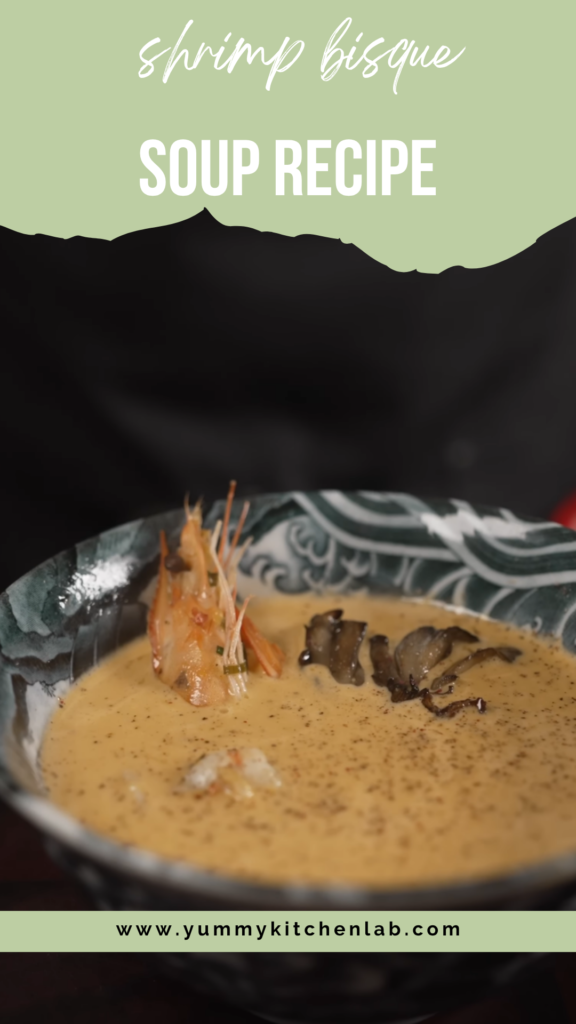
Ingredients for Shrimp Bisque Soup
Before you start anything on the stove, take a minute to read through these ingredients. A bisque is only as good as what goes into it, and a few smart choices here will make a serious difference in the final bowl.
Shell-On, Head-On Shrimp
This is the most important ingredient decision you will make in this entire recipe. Head-on, shell-on shrimp are not optional extras here — they are the foundation of the stock. The heads and shells go straight into the pot to make your fumet, and they carry a level of briny, oceanic flavor that pre-peeled shrimp simply cannot touch.
Look for fresh Gulf shrimp if your local market carries them. Good quality frozen shell-on shrimp work just as well. If you can only find headless shell-on shrimp, go ahead and use them, but understand the stock will be noticeably lighter. Pre-peeled shrimp are a hard no for this recipe. You would be throwing away the single most flavorful part of the whole ingredient.
Butter
Butter plays two roles here and it plays both of them well. It goes into the fumet to start the aromatics, and it builds the soup base through a roux later on. Use unsalted butter throughout so you stay in control of the salt level. European-style butter with a higher fat content gives you a slightly richer result, but standard unsalted butter from any grocery store gets the job done perfectly.
Skip the margarine. Skip the butter substitute. This is a cream-based bisque, and this is not the moment to cut corners on fat.
Extra Virgin Olive Oil
A small pour of olive oil goes in alongside the butter when you build the soup base. It is a classic move that raises the smoke point slightly and adds a subtle, grassy depth that butter alone does not deliver. Use a real extra virgin olive oil here, not a “light” version or anything labeled “for cooking.” The oil does not get cooked long enough to hide a bad flavor, so quality actually matters in this small quantity.
Yellow Onion and Shallot
Onion handles the heavy lifting in the aromatic base, and shallot brings a softer, slightly sweeter note that fits particularly well in a cream-based soup. Both get diced and cooked down with butter before the flour goes in. Do not skip the shallot. It is a small addition that genuinely changes the flavor of the finished bisque in ways that are hard to explain but easy to taste.
FYI, the onion for the fumet goes in rough-chopped with the skin still on. That skin adds color and a faint bitterness that helps balance the natural sweetness of the shrimp.
Celery
Celery shows up twice in this recipe, rough-chopped into the stock and diced fine into the soup base. It provides a clean, herbal backbone that keeps the bisque from feeling too heavy or one-dimensional. Buy fresh celery with the leaves still on if you can, because those leaves pack extra flavor into the fumet. Celery seed goes into the spice blend later and reinforces that same herbal note at a different level.
Fresh Thyme and Bay Leaf
Thyme runs through every layer of this recipe. It goes into the fumet, and it goes into the soup base, acting as a consistent flavor thread from start to finish. Bay leaf works the same way, added to the stock and then again near the end of cooking. Always use whole bay leaves and always pull them before blending. Fresh thyme is noticeably brighter than dried in a delicate soup like this, though dried thyme works if fresh is not available.
Paprika, Cayenne, and Red Pepper Flake
This spice trio is where the bisque earns its personality. Paprika brings warmth, a beautiful deep color, and mild sweetness. Cayenne brings real heat, and here is where you need to pay attention: it is very easy to overshoot on cayenne. Start with less than you think you need, blend the soup, then taste and adjust. Red pepper flake adds a slower, textural burn that builds as you eat. Together, these three create heat that grows gradually rather than punching you in the face immediately.
Tomato Powder
Tomato powder is the quiet ingredient most home cooks do not keep in their pantry, and that is a shame. It adds a faint acidity and umami depth that rounds out the bisque without making it taste like tomato soup. If you cannot find it, one teaspoon of tomato paste cooked into the roux achieves a similar result. Skip fresh tomatoes or canned tomato sauce entirely — both add too much liquid and mess with the consistency.
All-Purpose Flour
Flour is what thickens the bisque, working through a roux where fat and flour cook together before any liquid goes in. The key is cooking it long enough on low heat that the raw, starchy taste disappears completely. When it is ready, it should look like wet sand and smell faintly nutty. Add your liquid too early and the bisque will taste flat and doughy. Give it the time it needs.
Heavy Cream
Cream goes in near the end, after the soup has been blended smooth. The blended base is already quite thick and rich on its own, so the cream functions more as a finishing touch than a structural element. Add it slowly and taste as you go. You want luxurious, not overwhelming.
White Wine and Lemon
These two ingredients are for the beurre blanc that cooks the shrimp separately. White wine provides acidity and depth; lemon zest and juice add brightness right at the end. Use a wine you would actually drink. Anything labeled “cooking wine” is usually salty and poor quality, and it will show in the finished dish. The lemon is what keeps the shrimp tasting fresh and vibrant rather than heavy.
How to Make Shrimp Bisque Soup (Step by Step)
Step 1: Peel the Shrimp and Save Every Single Shell
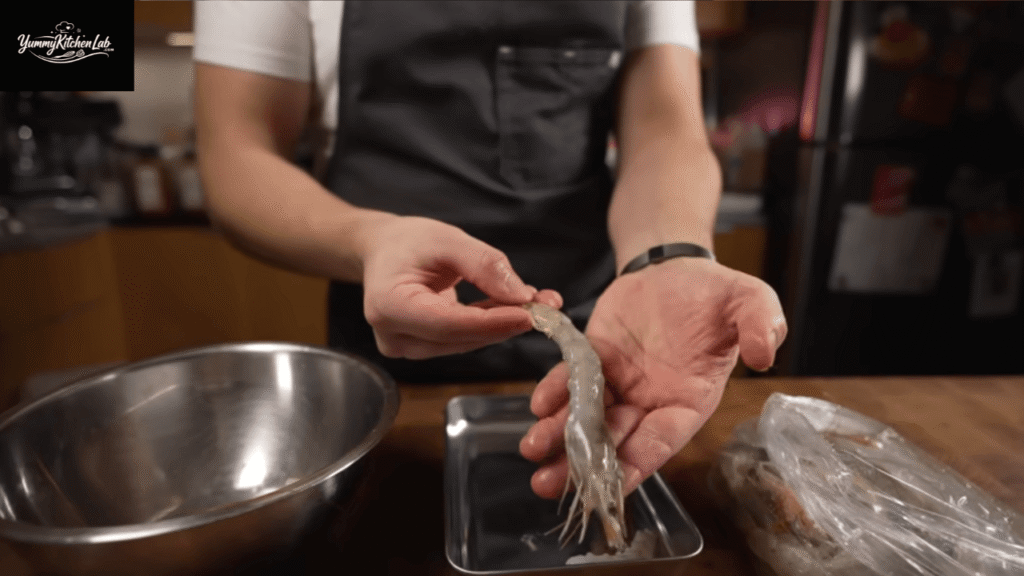
Peel the shrimp and set the meat aside in one bowl. Every shell, every head goes into a second bowl. Nothing gets thrown away. If you want a great garnish for serving, set aside one whole cleaned shrimp with the head still intact before you start peeling the rest.
Devein each shrimp by splitting gently down the back and scraping out the vein. Be gentle here — you do not want to tear the meat.
Step 2: Build the Fumet (Your Seafood Stock)
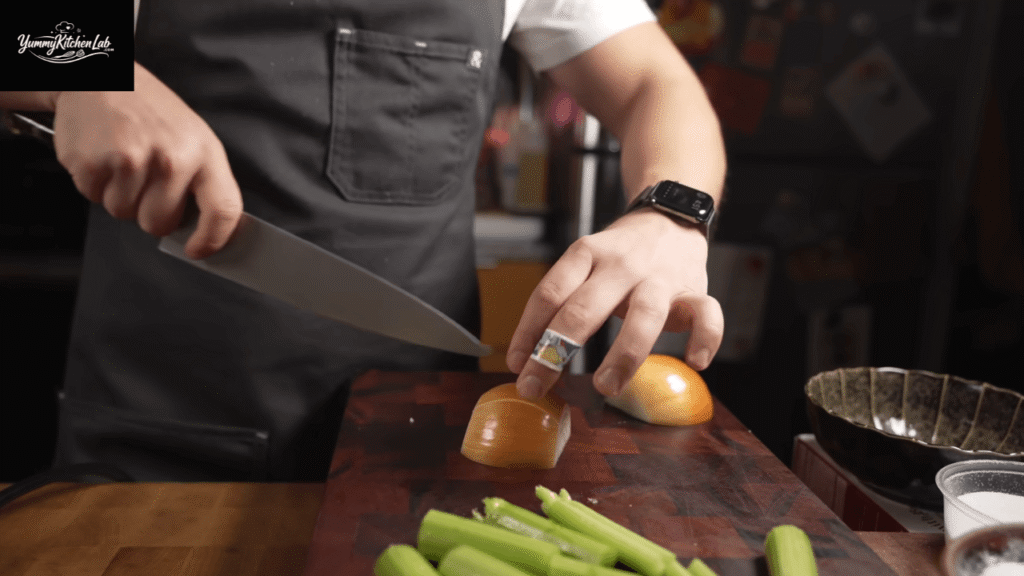
Place the shrimp shells and heads into a pot with rough-chopped celery, onion with skin on, a knob of butter, black pepper, thyme, and a bay leaf. Cover with water and bring to a gentle simmer. This stock takes about 20 minutes, which is honestly faster than waiting for a pizza delivery.
Do not let it boil hard. A hard boil makes the stock cloudy and pulls bitter flavors out of the shells. A gentle simmer is all you need. After 20 minutes, strain it, set it aside, and get ready to build the soup.
Step 3: Build the Aromatic Soup Base
In a wide pot, melt butter with a splash of olive oil over medium heat. Add your diced onion, shallot, and celery along with fresh thyme. Season generously with black pepper and let everything soften. Once the aromatics are translucent and smelling good, add the paprika, cayenne, red pepper flake, celery seed, and tomato powder.
Stir everything together and let it cook for about a minute. You want these spices to bloom in the fat before anything else goes in. Spices cooked this way open up and taste dramatically different from spices added to liquid directly.
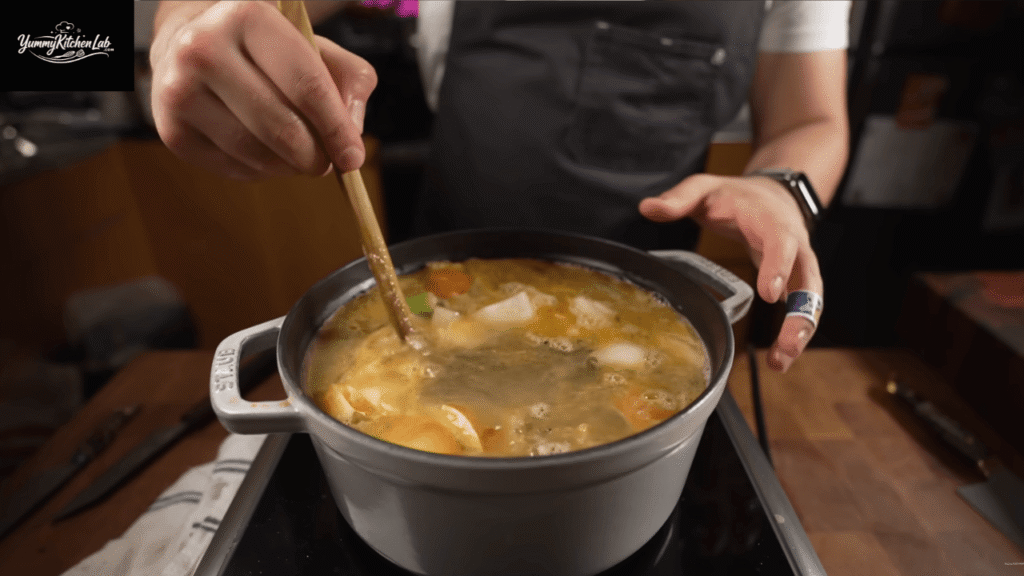
Step 4: Make the Roux
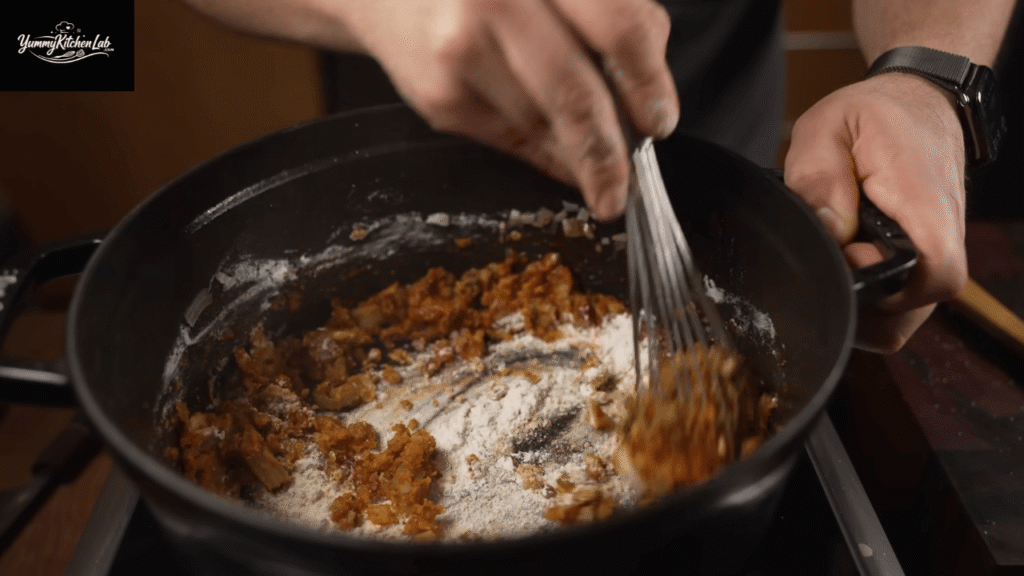
Lower the heat and add your all-purpose flour directly into the spiced aromatics. Whisk it in until everything is evenly coated and the mixture has that wet sand look. Keep stirring on low heat for a couple of minutes. This step cooks out the raw flour taste, and it cannot be rushed without consequences.
An undercooked roux leaves your bisque tasting starchy and dull. Give it the time, keep the heat low, and stir consistently.
Step 5: Add the Fumet and Simmer
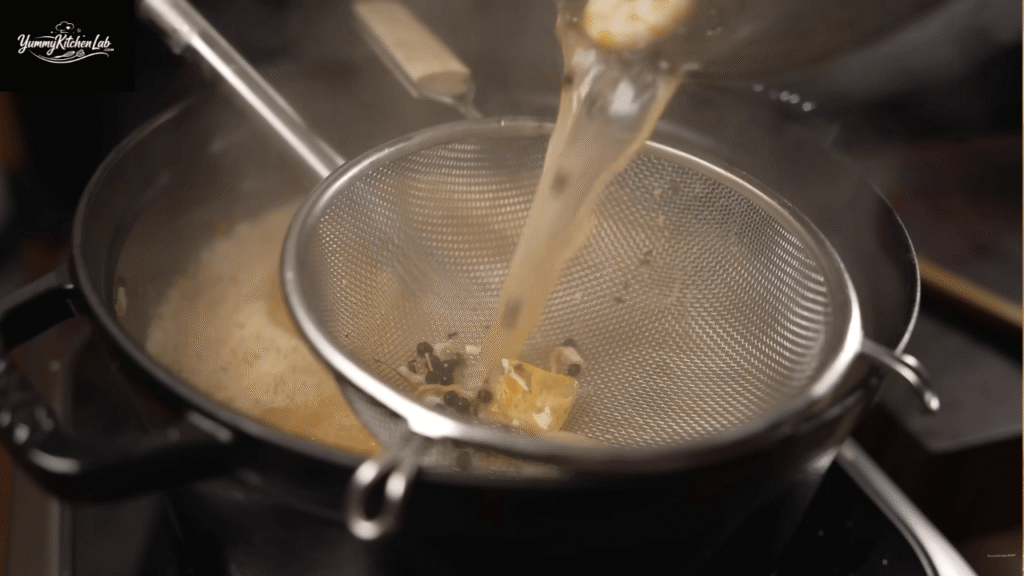
Pour the strained shrimp fumet into the roux base gradually, whisking as you pour to prevent lumps from forming. Bring the mixture up to a gentle simmer and let it cook together for several minutes until it thickens and the flavors start to come together. The color at this point should be a deep, warm orange-pink from the paprika and the shrimp stock. If it looks good enough to eat right now, you are doing it right.
Step 6: Blend It Until Silky Smooth
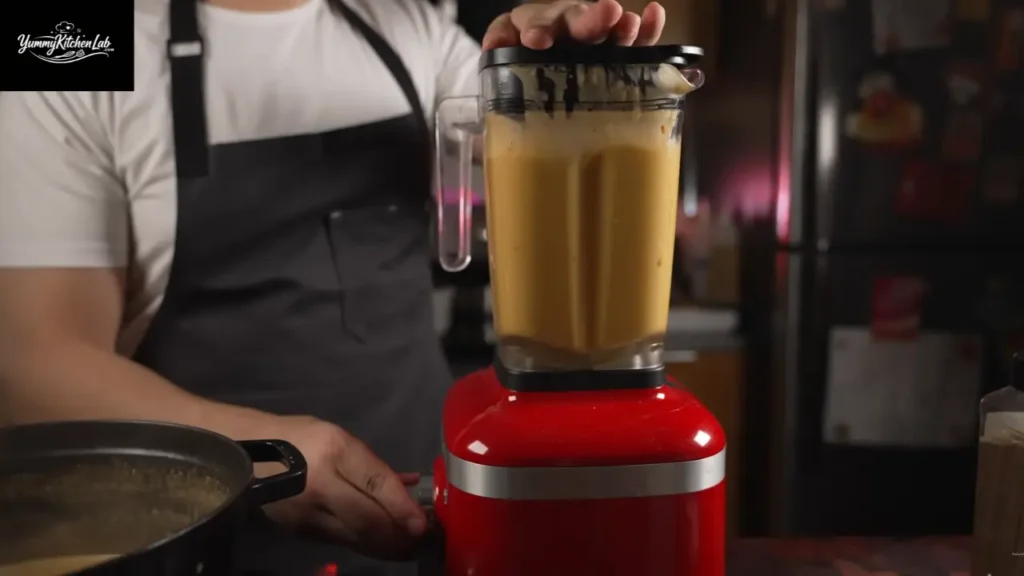
Use an immersion blender to blend the soup directly in the pot. Then, for a second and finer pass, transfer it to a stand blender in batches. That second blend is optional, but it is the step that takes the texture from “smooth” to genuinely restaurant-level silky. If you use a stand blender with hot liquid, fill it halfway only, hold the lid down firmly, and blend in short bursts to be safe.
Pour the blended soup back into the pot and get ready to finish it.
Step 7: Finish with Cream and Season
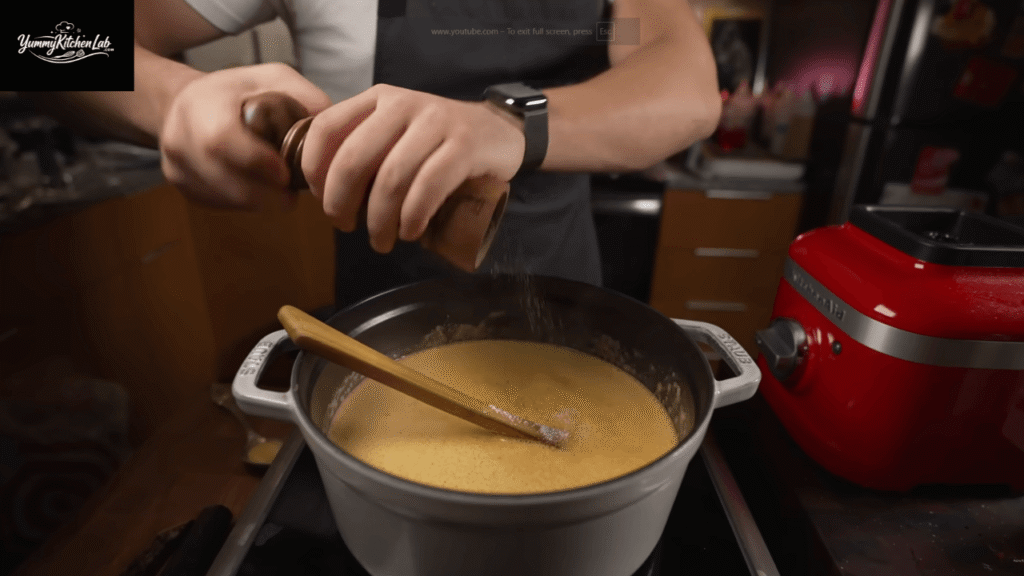
Add the heavy cream slowly, stirring as you go. Drop in a fresh bay leaf and taste before reaching for the salt, because the fumet likely already brought some sodium to the party. Adjust black pepper and cayenne here if the heat needs nudging. Let the soup sit on the lowest possible heat while you handle the shrimp, just long enough for the cream to fully integrate and melt into the base.
Step 8: Cook the Shrimp in Beurre Blanc
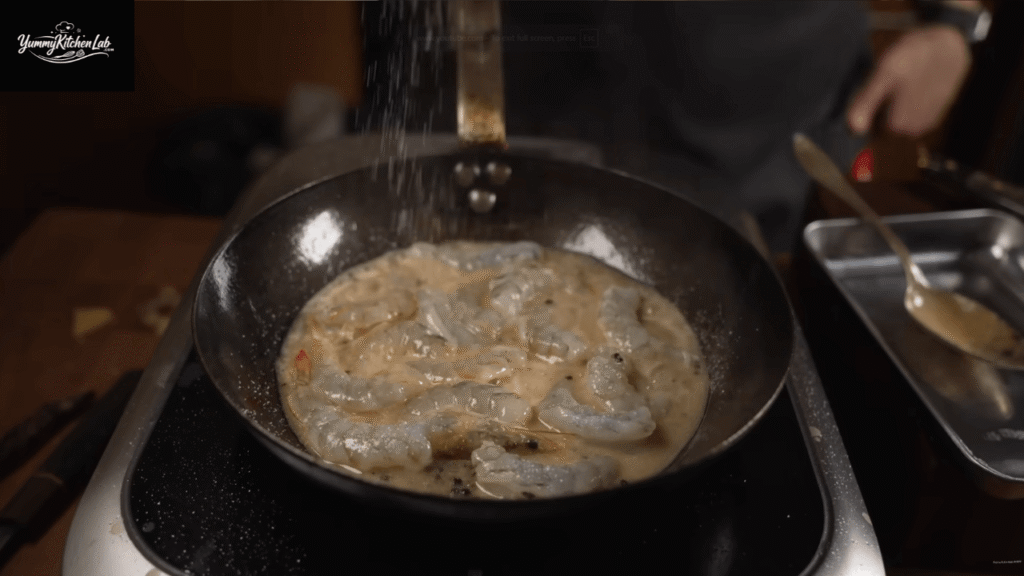
In a small pan, melt butter and add chives, a bay leaf, and a few peppercorns. Add a splash of white wine and let it cook briefly. Add your cleaned shrimp along with salt, lemon zest, and fresh lemon juice. Shrimp cook fast, and this is important: the moment they curl and turn pink, pull them off the heat. Overcooked shrimp are rubbery and sad, and this entire recipe deserves better than that.
The butter and wine sauce left in the pan is your finishing element for the bowl. Do not waste a drop of it.
Step 9: Plate and Serve
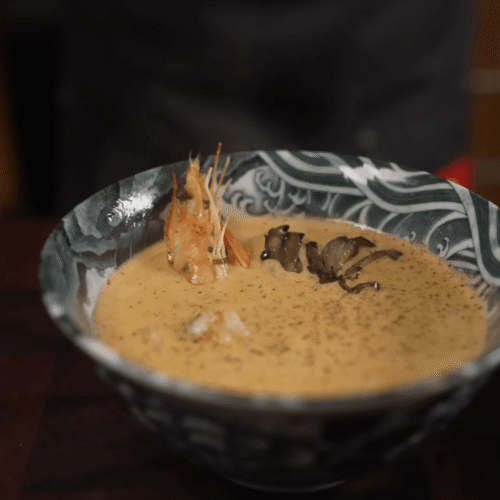
Ladle the bisque into warm bowls. Warm the bowls first if you can — hot food in a cold bowl loses heat fast and nobody wants that. Spoon a few shrimp into each bowl along with a little of that beurre blanc. Place the reserved whole head-on shrimp on the rim as a garnish if you saved one. Add sliced mushrooms if you want that earthy contrast. Finish with cracked black pepper and serve immediately.
Pro Tips to Make the Perfect Shrimp Bisque Soup
A few details separate a good bisque from one that people talk about long after the bowls are cleared.
Always use head-on shrimp when you can find them. The heads contain natural fats and flavor compounds that make the fumet noticeably richer. The cost difference is small. The flavor difference is not.
Give the fumet the full 20 minutes. Pull it early and you get a thin, pale stock that cannot support the rest of the recipe no matter how much you season it.
Cook the roux on low heat, always. High heat burns the flour before it cooks through, and burnt roux cannot be fixed. Low and slow, stirring consistently, is the only way.
Blend in two passes. The immersion blender does solid work, but the stand blender on a second pass creates a different texture entirely. That silkiness is a big part of what makes bisque feel special.
Go conservative with the cayenne. Seriously. Add less than you think you need, blend, taste, then adjust. Adding heat is easy. Taking it out is impossible.
Cook the shrimp in a separate pan. IMO, this is the most underrated tip in the recipe. Shrimp cooked directly in hot bisque and left to sit will be overcooked by the time you serve. The beurre blanc method keeps them perfectly tender.
Season in layers throughout the process. Salt goes into the fumet, the soup base, and the shrimp separately. This approach builds flavor at every stage rather than scrambling to fix a flat result at the end.
Save one whole shrimp for the garnish. Ten seconds of planning, genuinely impressive result. That one detail changes how the bowl looks and tells anyone eating it that this was made with intention.
Serving Ideas for Shrimp Bisque Soup
Shrimp bisque is rich, complete, and deeply satisfying on its own. What you pair it with either balances that richness or leans into it. Here are four solid directions.
A Simple Weeknight Dinner
Serve the bisque as the main course with crusty sourdough bread or a warm baguette on the side. Mopping up the last bit of bisque from the bottom of the bowl with good bread is honestly one of life’s underrated pleasures. A crisp green salad with a sharp vinaigrette cuts through the cream nicely and resets the palate between bites.
An Elegant First Course
Pour the bisque in smaller quantities as a starter before a roasted fish or seared scallop main course. The flavors align well and the richness of the bisque means a small portion goes a long way. It works particularly well for a dinner party where you want the food to feel thoughtful without chaining yourself to the stove.
The Seafood and Mushroom Bowl
The chef recommends mushrooms in the soup itself and it is a genuinely good call. Sautéed cremini or shiitake mushrooms add an earthy, umami note that plays beautifully against the sweetness of the shrimp. Stir them in and serve the bisque with a side of wild rice for a full, hearty meal that stands on its own.
A Sunday Lunch Spread
Make a double batch on a Sunday and let the bisque anchor a relaxed lunch spread. Set out different breads, compound butters, and cold seafood like smoked salmon or crab claws alongside the soup. The bisque becomes the warm, comforting center of the whole table rather than just one component.
For presentation, use wide and shallow bowls over deep mugs. They show off the garnish and give the bisque room to look like what it is. A small swirl of cream or a drizzle of good olive oil on the surface, finished with cracked black pepper, is all the garnish you need beyond the shrimp.
Frequently Asked Questions
Can I make this without shrimp heads?
Yes, and it will still be good. Shell-on headless shrimp still carry flavor in the shells, so follow the same fumet process. To make up for the missing heads, add a small piece of kombu or a splash of fish sauce to the stock while it simmers. Both deepen the umami without changing the flavor profile dramatically.
Can I make the bisque base ahead of time?
The base, meaning everything before the shrimp are cooked, keeps well in the fridge for up to three days and freezes solidly for up to two months. Always cook the shrimp fresh when you are ready to serve. Reheating bisque with shrimp already in it will toughen them every time.
What if I do not have a stand blender?
An immersion blender alone gets you a smooth result — just not quite as silky. If you have neither tool, press the soup through a fine mesh strainer with the back of a ladle. It takes more effort but the flavor is identical.
My bisque turned out too thin. How do I fix it?
Make a quick beurre manié by kneading equal parts softened butter and flour together into a paste. Whisk small pieces of it into the simmering bisque and it will thicken within a couple of minutes without the graininess you get from adding raw flour directly to liquid.
Can I substitute the heavy cream?
Full-fat coconut cream works and keeps the bisque dairy-free, though it adds a subtle tropical note that changes the character slightly. Half-and-half is fine for a lighter result. Full-fat Greek yogurt stirred in off the heat is another option, but do not cook it or it will break and separate.
shrimp bisque soup recipe
Ingredients
- Shells and heads from 1 lb shrimp
- 2 stalks celery, rough chopped
- ½ yellow onion, rough chopped with skin on
- 1 tbsp unsalted butter
- 1 bay leaf
- 4 sprigs fresh thyme
- ½ tsp black pepper
- 4 cups water
Instructions
- Peel shrimp. Set meat aside. Keep all shells and heads.
- Simmer shells and heads with celery, onion, butter, thyme, bay leaf, and pepper in water for 20 minutes. Strain and set aside.
- Melt butter with olive oil in a wide pot. Add onion, shallot, celery, and thyme. Cook until softened.
- Add paprika, cayenne, red pepper flake, celery seed, and tomato powder. Stir and cook 1 minute.
- Lower heat. Add flour and whisk into aromatics. Cook on low for 2 minutes.
- Add strained fumet gradually, whisking as you pour. Simmer until thickened.
- Blend with immersion blender, then blend again in stand blender. Return to pot.
- Stir in cream and a bay leaf. Season with salt and pepper. Keep on low heat.
- Melt butter in a small pan. Add chives, bay leaf, and peppercorns. Add wine, then shrimp. Season with salt, lemon zest, and juice. Cook until just pink. Remove from heat.
- Ladle bisque into warm bowls. Add shrimp and pan sauce. Finish with black pepper and serve.
Video
Notes
- Bisque base stores in the fridge for up to 3 days or freezes for up to 2 months.
- Always cook shrimp fresh at serving time.
- Adjust cayenne after blending — the heat concentrates once the soup is smooth.