

I used to think risotto was restaurant-only food, the kind of dish a grumpy chef guarded with his life. Then I tried this arborio rice recipe at home and realized I had been overpaying for years. You need one deep pan, a pot of hot stock, and the patience to add liquid one ladle at a time. That’s the whole secret, and no, you do not have to stir for an hour 🙂 <div align=”center”>
- What You Need for Creamy Risotto
- Arborio Rice
- Stock
- Onion
- Garlic
- Butter
- White Wine
- Parmesan Cheese
- Salt and Black Pepper
- Extra Virgin Olive Oil
- How to Make Classic Risotto (Step by Step)
- 1. Dice the Garlic and Onion Finely
- 2. Heat the Stock
- 3. Cook the Onion and Garlic in Butter
- 4. Toast the Arborio Rice
- 5. Add the White Wine
- 6. Add the Stock One Ladle at a Time
- 7. Watch the Rice and Adjust
- 8. Season and Finish with Butter and Parmesan
- 9. Loosen with a Final Splash of Stock
- 10. Serve Right Away
- Pro Tips for Perfect Risotto Every Time
- Serving Ideas for Your Risotto
- Risotto FAQs
- Can I use a different rice for risotto?
- Do I have to stir risotto constantly?
- Why is my risotto gummy or thick?
- What if my rice is still hard but the stock is gone?
- Can I make risotto without wine?
- Final Thoughts
- Risotto with Arborio Rice
“Risotto is all about the look and feel.” </div>
That’s how Jono from Simple Cookery sums it up, and I couldn’t agree more. A timer won’t save you here. Your eyes will tell you when the rice wants more liquid, more heat, or a quick rest.
Risotto comes from northern Italy, where farmers have grown short-grain rice in the Po Valley for centuries. Arborio takes its name from a small town in Piedmont, and cooks love it because it gives up its starch so easily. The method hasn’t changed much since. You toast the rice, splash in some wine, then coax out the creaminess with warm stock.

What You Need for Creamy Risotto
The ingredient list is short, so every item has to earn its spot. Good rice, good stock, and real parmesan do most of the heavy lifting. Here’s what each one does and where people usually mess up.

Arborio Rice
Arborio is the star. Its high starch content melts into the stock as you stir, and that’s how you get a creamy sauce with zero cream. Look for plump, chalky-looking grains. Carnaroli works as a swap, but basmati will let you down every time. Never rinse arborio, because you’d wash away the starch you came for.
Stock
Stock gives risotto most of its flavor, so use one you’d happily sip. IMO low-sodium chicken or vegetable stock wins, since it lets you control the salt at the end. Salty stock turns harsh as it reduces. Keep it hot in a separate pot, because cold stock stalls the pan and cooks the rice unevenly.
Onion
A finely diced onion builds the sweet base. I like yellow onions because they turn golden and mellow when they caramelize. Dice them small so they melt into the rice and leave no raw crunch. Shallots work if you want something more delicate. The classic mistake is rushing this step, which leaves you with pale, sharp onion.
Garlic
Garlic adds the savory depth that makes risotto taste finished. Use fresh cloves, because jarred garlic often turns sour in the pan. Toss it in with the onion instead of on its own, since garlic burns fast in hot butter. Burnt garlic tastes bitter and ruins the whole pot. If it browns too quickly, turn the heat down right away.
Butter
Butter shows up twice here: once to cook the onion and once to finish the dish. The first round builds flavor, and the second adds richness and a glossy shine. I use unsalted butter so I stay in charge of the seasoning. Cultured European-style butter costs a little more, but I think it’s worth it here. Margarine won’t give you that silky finish.
White Wine
Wine adds acidity that cuts through the butter and cheese. Pick a dry white you’d actually drink, like Pinot Grigio or Sauvignon Blanc. Skip anything sweet or heavily oaked, because those flavors get stronger as the wine cooks down. Let the rice soak up the wine fully before you add any stock. No alcohol in the house? Use a splash of stock with a little lemon juice.
Parmesan Cheese
Parmesan brings salt, savory depth, and a bit of body. Buy a wedge of Parmigiano Reggiano and grate it yourself. Pre-grated cheese has anti-caking agents that stop it from melting smoothly. Pecorino Romano gives you a sharper, saltier bite if you like that. Add the cheese off the heat, because high heat makes it clump and turn grainy.
Salt and Black Pepper
Season at the very end. Both the stock and the parmesan already pack plenty of salt, so early seasoning can wreck dinner fast. Taste first, then add small pinches. Freshly ground pepper smells way better than the pre-ground stuff. FYI, a decent pepper mill is one of the cheapest upgrades in any kitchen.
Extra Virgin Olive Oil
A drizzle of good olive oil at the end adds a fruity, peppery kick. This is a finishing ingredient, so quality matters more than quantity. Pick a fresh bottle with a recent harvest date and store it away from sunlight. Don’t waste your fancy oil on the pan. Save it for the final drizzle, where you can actually taste it.
How to Make Classic Risotto (Step by Step)
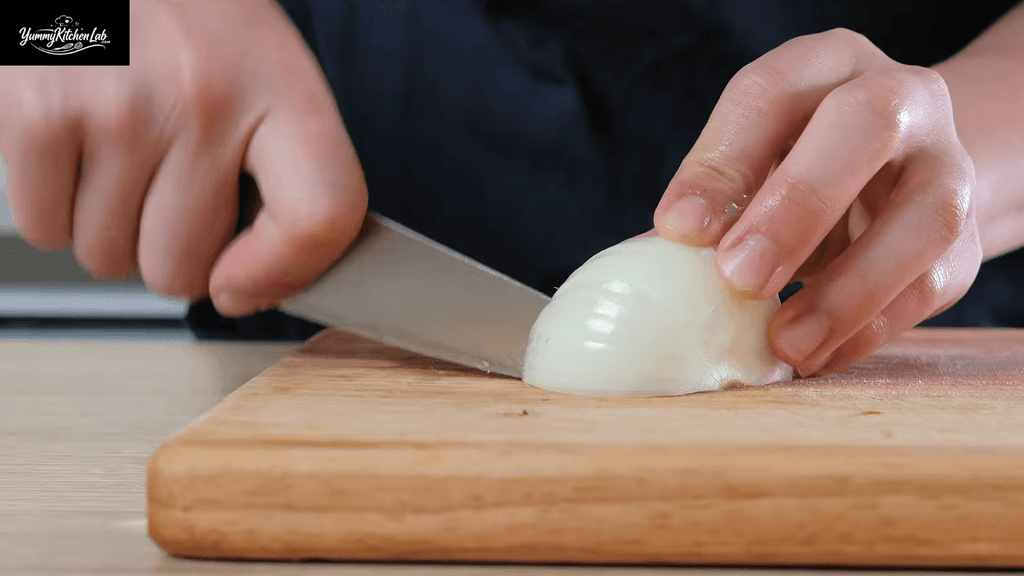
1. Dice the Garlic and Onion Finely
Cut the onion and garlic into small, even pieces. Fine dicing lets them melt into the rice, so nobody bites into a chunk of raw onion. Uneven pieces cook at different speeds, and the tiny ones love to scorch.
2. Heat the Stock
Bring the stock to a rolling boil, cover it, and keep it at a light simmer. Hot stock keeps the rice cooking at a steady pace. Cold stock drops the pan temperature every time you pour, which slows everything down and can leave you with gummy rice.
3. Cook the Onion and Garlic in Butter
Heat a deep pan over medium heat and melt the first round of butter. Add the onion and garlic, then cook until the onion turns golden brown and caramelized. Yes, it takes a few minutes. That sweetness sets up the whole dish, so don’t skip ahead.

4. Toast the Arborio Rice
Stir in the rice and toast it for one to two minutes. Toasting coats each grain in fat and adds a slight nutty flavor. It also helps the grains keep their shape, so the center stays firm while the outside turns creamy.

5. Add the White Wine
Pour in the wine and stir until the rice soaks it up completely. The acid brightens the dish and loosens any golden bits stuck to the pan. Wait until the pan looks nearly dry before you add stock, or the wine will taste raw.

6. Add the Stock One Ladle at a Time
Add one ladle of stock and stir until the rice absorbs it, then repeat. Stirring cooks the rice evenly and releases the starch that makes the sauce creamy. Don’t flood the pan, because too much liquid boils the rice instead of building that silky texture.

7. Watch the Rice and Adjust
Keep going until the rice cooks through. In my experience that takes 15 to 25 minutes, depending on how much risotto you make. You want al dente rice in a loose, creamy sauce. If you run low on stock and the rice still feels hard, lower the heat and cover the pan with a lid so the liquid stops reducing too fast.
8. Season and Finish with Butter and Parmesan
Once the rice tastes tender, season with salt and pepper. Stir in the rest of the butter for richness, then add the parmesan. Taste before you add more salt, because the cheese brings plenty of its own.

9. Loosen with a Final Splash of Stock
Parmesan dries out risotto a little. Save a dash of stock for the end and stir it in to loosen things up again. The ideal risotto flows gently across the pan when you tilt it and never sits in a stiff mound.
10. Serve Right Away
Spoon the risotto into warm bowls and drizzle with olive oil. Grate more parmesan on top and finish with fresh pepper. Risotto waits for nobody, since the rice keeps drinking liquid and thickens as it sits.

Pro Tips for Perfect Risotto Every Time
These small tweaks separate a decent risotto from one you brag about.
- Use a wide, heavy pan. More surface area helps the stock evaporate evenly, and thick walls stop the rice from scorching.
- Keep the stock hot. A simmering pot next to the stove protects your cooking temperature and keeps things moving.
- Skip the rinse. Surface starch thickens the sauce, so washing it off leaves you with sad, watery risotto.
- Taste as you go. Start checking around the 15-minute mark, because the grain should keep a slight bite in the center.
- Add cheese off the heat. Gentle temperatures keep the parmesan smooth and stop it from turning stringy.
- Save a splash of stock for the end. Risotto tightens up fast, so a final pour brings back that loose, creamy texture.
- Grab a lid when you need one. If the rice still feels firm and the stock runs low, drop the heat and cover the pan so the rice finishes gently.
Serving Ideas for Your Risotto
Risotto looks great on its own, but it also plays well with others. Here are four pairings I keep coming back to.
Weeknight Dinner with Roast Chicken
Crispy-skinned chicken thighs sit perfectly on a bed of creamy risotto. The juices run into the rice and add even more flavor. Toss a simple green salad on the side and call it dinner.
Dinner Party Starter with Seared Scallops
Three or four golden scallops on a small portion of risotto make a fancy first course. The sweet seafood plays nicely against the savory parmesan. Add a squeeze of lemon to cut the richness, and watch your guests assume you trained in Italy.
Vegetarian Main with Roasted Mushrooms
Roast cremini or portobello mushrooms until deeply browned, then pile them on top. Their earthy flavor loves parmesan and white wine. A handful of arugula adds a peppery pop.
Cozy Night with a Glass of Wine
Pour the same dry white you cooked with, like Pinot Grigio or Soave, and add crusty bread and a bowl of olives. It’s the lazy version, and IMO it’s often the best one.
For presentation, serve risotto in a warm, shallow bowl so it spreads into a loose pool instead of a stiff pile. A white bowl makes the golden color stand out. Finish with a last grating of parmesan and a few twists of pepper right before the bowl hits the table.
Risotto FAQs
Can I use a different rice for risotto?
Carnaroli and vialone nano both work, and plenty of cooks find Carnaroli more forgiving. Skip long-grain rice like basmati or jasmine, because it lacks the starch you need. For that classic creaminess, stick with a proper arborio rice recipe like this one.
Do I have to stir risotto constantly?
Nope, but stir often. Stirring cooks the rice evenly and releases starch, so it matters most right after each ladle of stock. You can step away for a few seconds between additions without ruining dinner.
Why is my risotto gummy or thick?
Usually the rice cooked too long or sat too long after finishing. Stir in a splash of warm stock to loosen it. Next time, serve it right away and stop cooking while the center still has a slight bite.
What if my rice is still hard but the stock is gone?
Grab more hot stock or hot water and keep going. You can also lower the heat and cover the pan so the rice steams through. Both tricks give the grains time to soften without scorching.
Can I make risotto without wine?
Yes. Swap the wine for an equal amount of stock and add a small squeeze of lemon juice for acidity. You’ll lose a little complexity, but the dish still tastes balanced and creamy.
Final Thoughts
Risotto sounds fussy, but it really comes down to a few habits. Keep the stock hot, add it one ladle at a time, and trust your eyes over the clock. Toast the rice, finish with butter and parmesan, and serve it right away.
That’s all it takes to turn a handful of pantry ingredients into something that looks like you spent all day on it. Give this arborio rice recipe a shot this week, and let me know how it turns out. Did your risotto come out creamy, or did you rebel and stir like a maniac anyway? Tell me in the comments.

Risotto with Arborio Rice
Ingredients
- 1 1/2 cups arborio rice
- 4 cups chicken or vegetable stock hot
- 1 medium onion finely diced
- 2 garlic cloves finely diced
- 3 tbsp unsalted butter divided
- 1/2 cup dry white wine
- 1/2 cup grated parmesan plus extra to serve
- Salt and black pepper
- Extra virgin olive oil to serve
Instructions
- Dice the onion and garlic.
- Bring the stock to a boil, then keep it at a simmer.
- Melt 1 tbsp butter in a deep pan over medium heat.
- Cook the onion and garlic until golden.
- Add the rice and toast for 1 to 2 minutes.
- Pour in the wine and stir until absorbed.
- Add stock one ladle at a time, stirring until absorbed.
- Repeat for 15 to 25 minutes until the rice is al dente.
- Season, then stir in the remaining butter and parmesan.
- Loosen with a splash of stock.
- Serve with olive oil, parmesan and pepper.
Video
Notes
- Keep the stock hot for even cooking.
- Lower the heat and cover with a lid if the rice needs more time.
- Serve immediately, as risotto thickens quickly as it sits.
