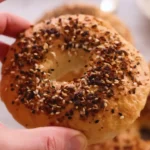

Look, I’ve tried my fair share of high protein bagel recipes. Most of them promise the world and deliver a dense, sad hockey puck that you’d rather toss than toast. The dough sticks to everything, the bagels spread into flat little frisbees, and the texture screams “this is diet food” with every bite.
- Ingredients You’ll Need
- Fage 0% Non-Fat Plain Greek Yogurt
- Bread Flour
- Baking Soda
- Salt
- One Egg (for Egg Wash)
- Everything Bagel Seasoning
- How to Make High Protein Bagels (Step by Step)
- Step 1: Preheat and Prep
- Step 2: Weigh Your Ingredients
- Step 3: Mix the Dry Ingredients
- Step 4: Add the Yogurt and Form the Dough
- Step 5: Knead Briefly on an Oiled Surface
- Step 6: Divide and Shape
- Step 7: Egg Wash and Seasoning
- Step 8: Bake and Cool
- Pro Tips for the Perfect Protein Bagels
- 4 Delicious Ways to Serve These Protein Bagels
- High Protein Bagels Recipe
- Frequently Asked Questions
- Can I use all-purpose flour instead of bread flour?
- Why is my dough so sticky?
- Do these taste like real bagels?
- How should I store them?
- Can I double this recipe?
- Final Thoughts
This recipe is different. And I don’t say that lightly.
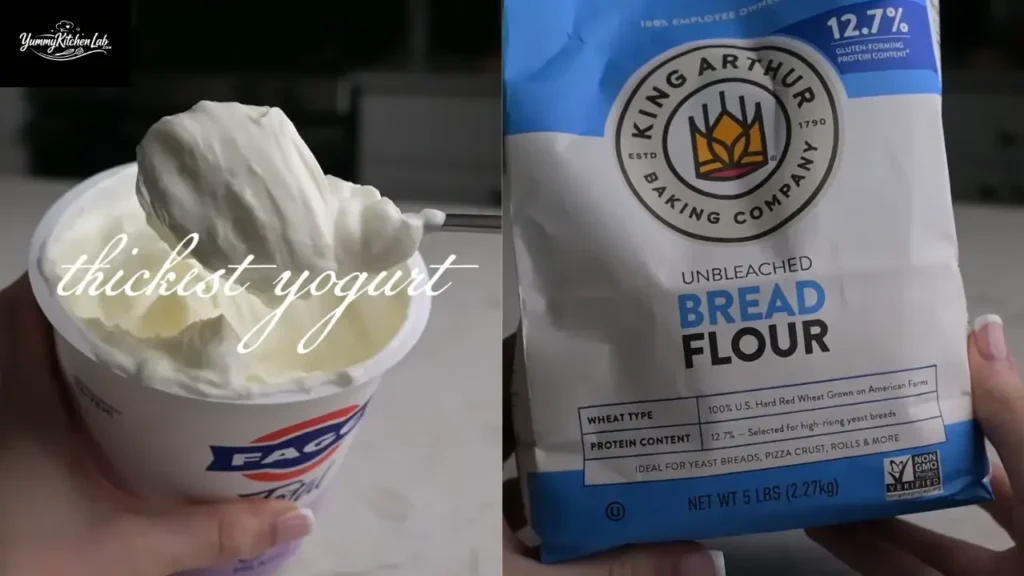
The secret weapon here is Greek yogurt, but not just any Greek yogurt. Fage 0% non-fat plain Greek yogurt is the one ingredient that makes or breaks these bagels. It’s thicker than most other brands, which means your dough actually behaves like dough instead of wet cement.
Once I switched to Fage, everything clicked. The dough stopped fighting me, the shaping became easy, and the finished bagels had this slightly tangy, almost sourdough-like flavor that honestly surprised me.
The best part? You don’t need yeast. You don’t need to boil anything. You can go from “I want bagels” to “I’m eating bagels” in about 45 minutes. That’s a win in my book.
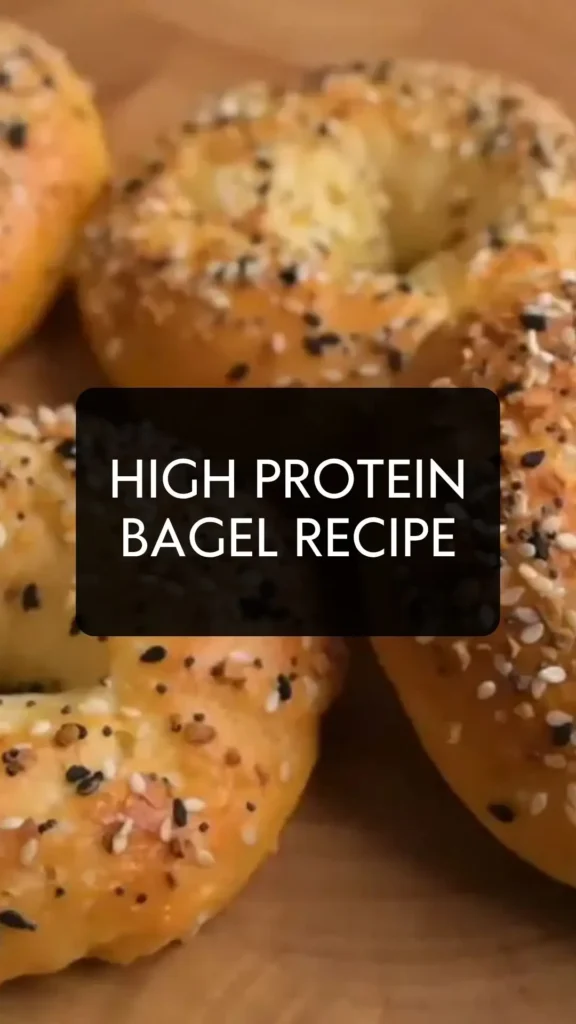
Ingredients You’ll Need
You only need six things to pull this off, but what you choose for each one matters way more than you’d expect. This isn’t the place to freestyle.
Fage 0% Non-Fat Plain Greek Yogurt
I cannot stress this enough. Fage 0% is THE yogurt for this recipe. It’s noticeably thicker than most competitors, and that thickness keeps excess moisture out of your dough. If you grab a thinner yogurt, your dough will turn into a sticky nightmare. You’ll panic, add too much flour to fix it, and end up with a dense brick.
Skip anything flavored or sweetened. Plain and non-fat keeps the macros clean and lets the toppings do the talking.
Bread Flour
Bread flour has a higher protein content than all-purpose flour, which means better gluten development. That gluten is what gives these bagels their chewy, bread-like bite instead of a crumbly, cake-like texture.
Can you use all-purpose flour? Sure. Will it work? Yes. Will it be as good? Honestly, no. Bread flour makes a real difference here.
Pro tip: Weigh your flour on a kitchen scale. A scooped cup of flour and a weighed cup of flour are two very different amounts. This one habit will save you from so many baking headaches.
Baking Soda
This is your leavening agent, and it gets to work the second it touches moisture. That’s exactly why you don’t want to over-knead this dough. You’re trying to keep that rising power intact.
Make sure your baking soda is fresh. If it’s been sitting open in your pantry since last year’s holiday baking spree, it’s probably dead. Quick test: drop a pinch into hot water. If it bubbles up, you’re good. If it just sits there, toss it and grab a new box.
Salt
Salt does double duty here. It adds flavor (obviously), but it also strengthens the gluten structure and gives you a little more control over how the baking soda reacts. Don’t skip it, and don’t go overboard with it. The recipe is balanced for a specific amount.
One Egg (for Egg Wash)
You’ll whisk this up and brush it over the bagels before they hit the oven. It does two things. First, it gives the bagels that gorgeous golden brown color. Second, it acts like glue for whatever seasoning you put on top. Without it, your seasoning slides right off and your bagels look pale and boring.
One egg covers four bagels with a little to spare.
Everything Bagel Seasoning
Technically optional. Practically essential. That mix of sesame seeds, poppy seeds, dried garlic, dried onion, and flaked salt adds a flavor and crunch that the dough alone can’t deliver.
Here’s the thing though. Use way more than you think you need. Like 25% more than your instinct tells you. Some of it shifts around during baking, and a generous coating on the raw bagel gives you just the right amount on the finished one.
How to Make High Protein Bagels (Step by Step)
Step 1: Preheat and Prep
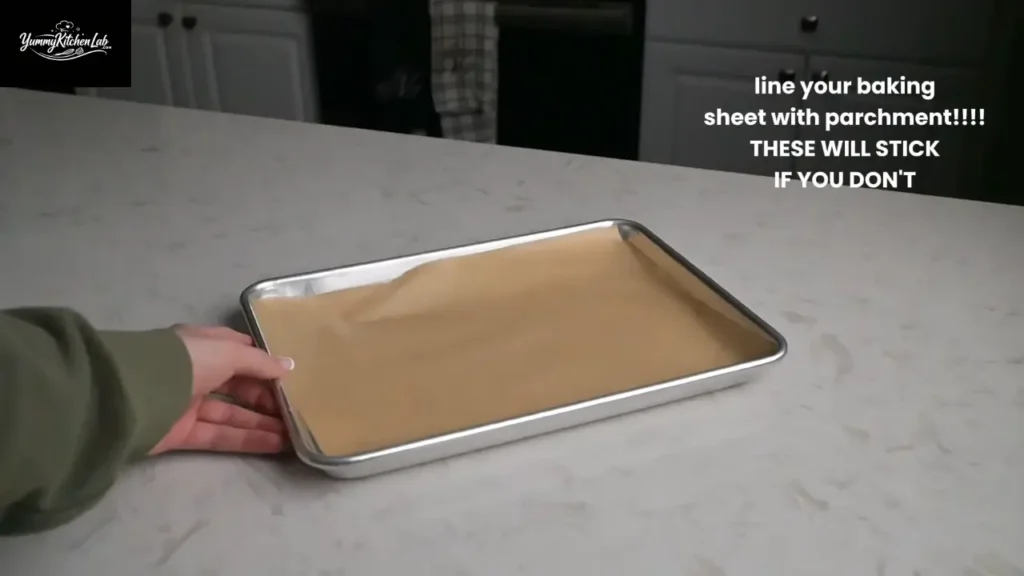
Set your oven to 375°F and line a quarter sheet baking pan with parchment paper. Get this done before you start mixing. Since baking soda activates immediately when it hits moisture, you don’t want your dough sitting around waiting for the oven to heat up.
Step 2: Weigh Your Ingredients
Grab your kitchen scale. Weigh your flour. Weigh your yogurt if you can. I know it feels like an extra step, but accurate measurements are the difference between dough that cooperates and dough that doesn’t. Scooping flour with a measuring cup can give you wildly inconsistent amounts, and in a recipe this simple, every gram counts.
Step 3: Mix the Dry Ingredients
Whisk your bread flour, baking soda, and salt together in a mixing bowl until everything is evenly combined. This takes about 30 seconds, but it matters. You want the baking soda distributed throughout the flour before any wet ingredients go in. Pockets of baking soda mean uneven rise and weird flavor spots in your finished bagels. Nobody wants that.
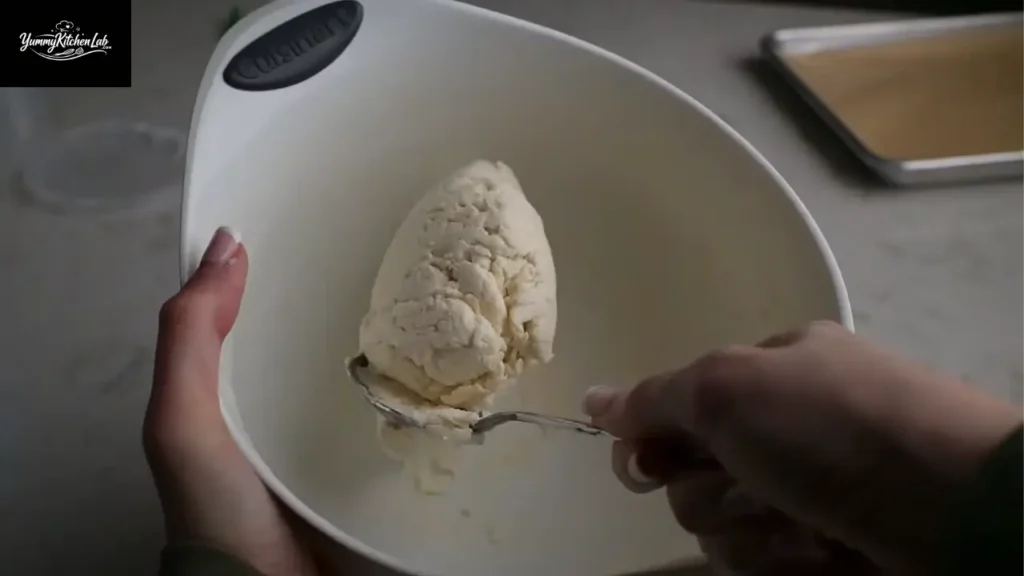
Step 4: Add the Yogurt and Form the Dough
Stir the Greek yogurt into the flour mixture. Fair warning: it’s going to look crumbly and dry at first. Don’t panic. Don’t add water. Don’t add more yogurt. Just keep pressing and working the mixture together with the back of your spoon until it starts coming together into a rough dough.
Trust the process. It looks wrong before it looks right, and that’s totally normal.
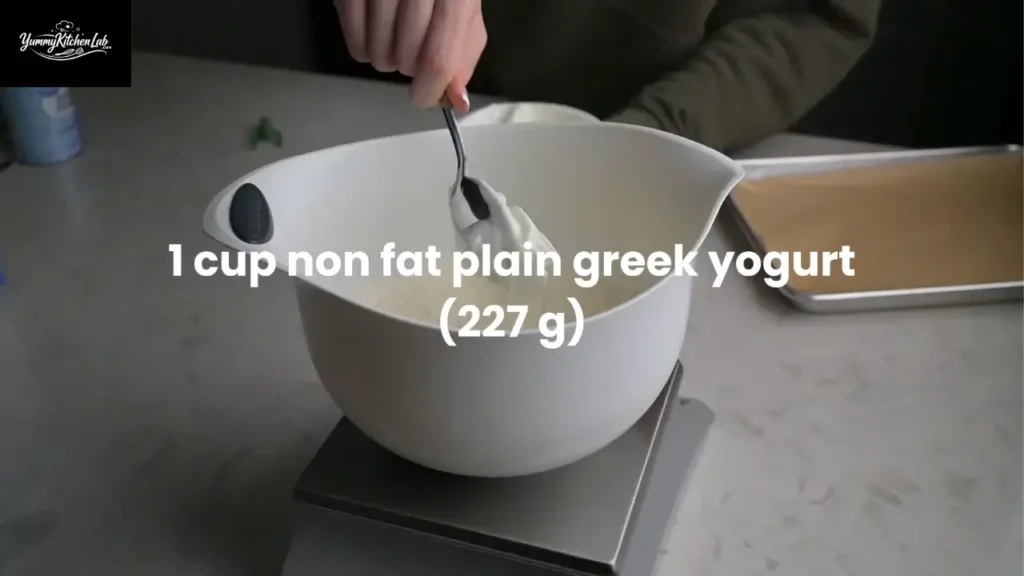
Step 5: Knead Briefly on an Oiled Surface
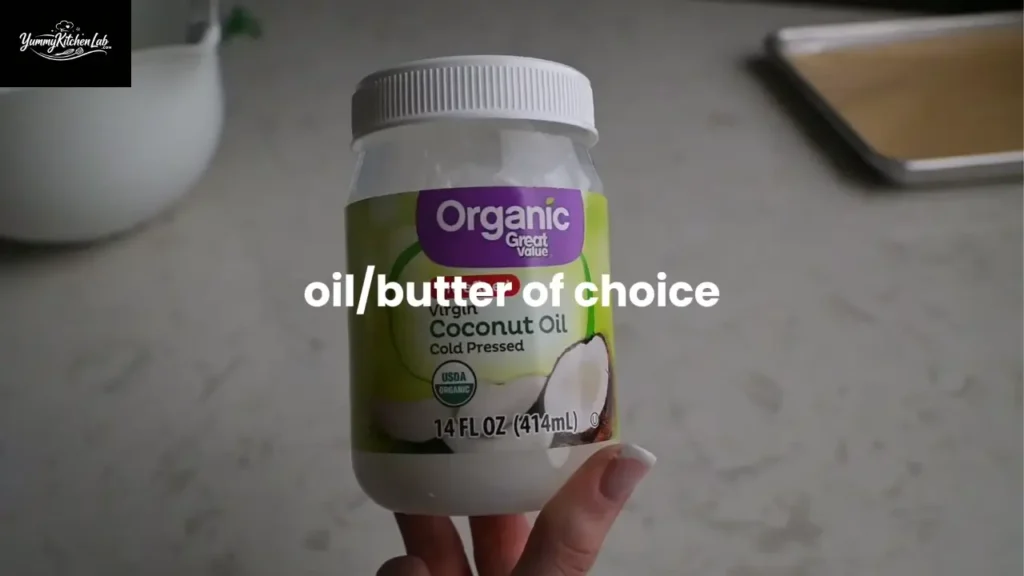
Lightly oil your countertop with coconut oil, butter, or whatever you have handy. Turn the dough out and use the palm of your hand to gently knead it for 1 to 2 minutes until it’s smooth and holds together.
That’s it. Stop there. I know it’s tempting to keep going, but over-kneading depletes the baking soda’s rising power and gives you a denser bagel. Two minutes is the sweet spot.
And yes, oil your surface, not flour it. Adding dry flour changes the dough’s texture, and you’ve worked too hard to mess it up now.
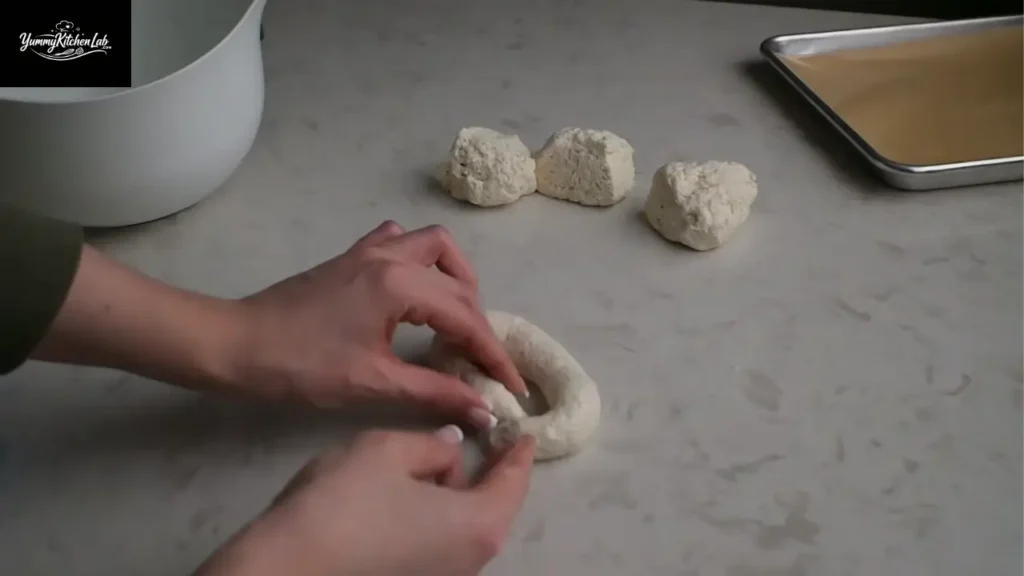
Step 6: Divide and Shape
Use a dough scraper or knife to cut the dough into four equal pieces. Don’t stress about perfection here. If one piece looks a bit bigger, just pinch off a little and add it to another.
Roll each piece into a long rope and connect the ends to form a ring. If the seam feels loose, smooth it gently with your fingers until it holds. These don’t need to look bakery-perfect. They just need to hold their shape.
Step 7: Egg Wash and Seasoning
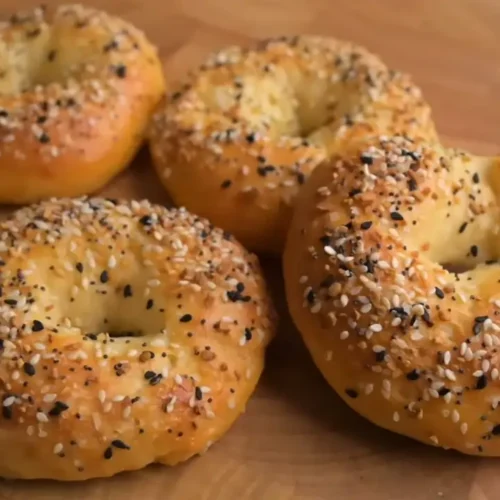
Crack the egg into a small bowl, whisk it up, and brush it evenly over each bagel with a pastry brush. Then pile on the seasoning. Remember what I said earlier? More than you think. A light dusting won’t cut it. You want real flavor and texture on the finished product.

Step 8: Bake and Cool
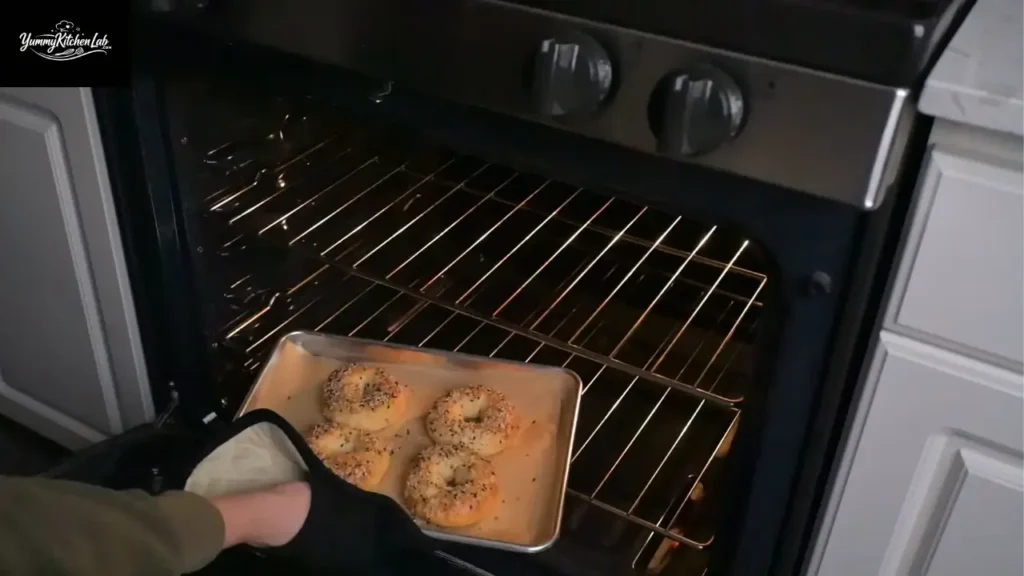
Slide the pan into the oven and bake at 375°F for 27 to 30 minutes. Watch for a deep golden brown color. That’s your real indicator, not the timer.
Now here’s the hard part. Let them cool completely before you cut into them. I know. They smell incredible and you want one immediately. But cutting into a hot bagel releases all the steam and leaves the inside gummy and undercooked-tasting, even if the bake time was spot on. A fully cooled bagel has a completely different (and way better) texture. Patience pays off here.
Pro Tips for the Perfect Protein Bagels
These little details separate a great batch from a mediocre one.
- Stick with Fage 0%. Thinner yogurts add too much moisture and turn your dough into a sticky mess. Fage’s thickness is the whole reason this recipe works so smoothly.
- Always weigh your flour. A scooped cup can weigh way more than a properly measured one. A kitchen scale eliminates the guesswork and gives you consistent results every single time.
- Don’t over-knead. Baking soda activates on contact with moisture. Working the dough too long kills that leavening action. Keep it to 1 to 2 minutes and move on.
- Oil the counter, not your hands. A thin layer of oil prevents sticking without adding extra fat to the dough. Flouring the surface risks changing the texture.
- Go heavy on the seasoning. Whatever amount looks right, add 25% more. It settles and shifts during baking, so a generous raw coating gives you the perfect finished amount.
- Cool completely before slicing. The interior continues setting as the bagels cool. Cutting early gives you gummy bread even when the bake was perfect.
- Double the batch for bigger bagels. The standard recipe makes four medium bagels. Want bakery-sized ones? Double everything and divide into six pieces instead of eight. Bake time stays about the same.
- Toast before eating. The yogurt tang is noticeable when you eat these plain. Toasting tones it down significantly and gives you a much more classic bagel experience.
4 Delicious Ways to Serve These Protein Bagels
These work for pretty much any meal. Here are my favorite ways to eat them.
Classic Breakfast Sandwich
Slice the bagel, toast both halves, and stack on some eggs, turkey bacon or smoked salmon, and a slice of sharp cheddar. Toasting knocks out most of the yogurt tang, and the savory fillings make these taste really close to a traditional deli bagel. This is perfect for Sunday meal prep.
Cream Cheese and Smoked Salmon
Toast the bagel. Spread on some whipped cream cheese. Layer cold smoked salmon, thinly sliced red onion, and capers on top. The everything seasoning on the bagel already mirrors that classic lox flavor profile, and the cream cheese balances the yogurt tang completely. Chef’s kiss.
Avocado and Egg
Mash half an avocado with a squeeze of lemon juice and some flaky salt. Spread it on a toasted bagel half and top with a soft-boiled or poached egg. High protein, healthy fats, and genuinely delicious. Works great as a post-workout meal or a quick lunch.
Nut Butter and Honey
For something on the sweeter side, spread almond butter or peanut butter over a toasted bagel half and drizzle with a little honey. The nuttiness works surprisingly well with the slight yogurt tang. Pair it with coffee for a high-protein breakfast that doesn’t feel like you’re on a diet.
Presentation tip: Arrange these on a wooden board with toppings set out separately so everyone can build their own. A small bowl of cream cheese, some lemon wedges, and a little pile of smoked salmon turns a simple breakfast into a whole vibe.
High Protein Bagels Recipe
Ingredients
- 1 cup (weighed) bread flour
- 2 tsp baking powder
- ½ tsp salt
- ¾ cup Fage 0% non-fat plain Greek yogurt
- 1 egg (for egg wash)
- Everything bagel seasoning, to top
Instructions
- Preheat oven to 375°F. Line a baking sheet with parchment paper.
- Weigh bread flour. Whisk together flour, baking soda, and salt in a bowl.
- Stir in Greek yogurt until a rough dough forms.
- Turn dough onto a lightly oiled surface. Knead for 1 to 2 minutes.
- Divide into 4 equal pieces.
- Roll each piece into a rope and connect the ends to form a ring.
- Place bagels on the prepared sheet.
- Brush with egg wash. Add seasoning generously.
- Bake 27 to 30 minutes until deep golden brown.
- Cool completely before cutting.
Video
Notes
- Fage 0% is strongly recommended. Thinner yogurts create a sticky, hard-to-handle dough.
- Always weigh flour rather than measuring by volume for consistent results.
- Slice bagels before freezing for easy toasting straight from the freezer.
Frequently Asked Questions
Can I use all-purpose flour instead of bread flour?
Yep, you can. The bagels will still turn out fine, but the texture won’t be quite as chewy or structured. Bread flour’s higher protein content develops more gluten, which is what gives these their satisfying, bread-like bite. Use all-purpose if that’s what you have, but try bread flour when you can.
Why is my dough so sticky?
Almost every time, the culprit is the yogurt. If you used a brand that’s thinner than Fage, there’s too much moisture in the dough. You can try adding flour a tablespoon at a time until the dough becomes manageable, but the easiest fix is to grab Fage 0% next time.
Do these taste like real bagels?
Honest answer? Not exactly. They have a noticeable tang from the yogurt when you eat them plain, which a lot of people actually compare to sourdough. Toasting and adding toppings reduces that tang a lot. If you’re comparing these to a New York deli bagel, adjust your expectations. If you’re comparing them to most high-protein baked goods out there, these are genuinely impressive.
How should I store them?
Keep cooled bagels in an airtight bag or container at room temperature for up to two days, or in the fridge for up to five days. They freeze really well too. Slice them before freezing so you can pop them straight into the toaster without thawing. Use frozen bagels within a month for the best results.
Can I double this recipe?
Absolutely. Double everything, divide the dough into six pieces instead of eight for bigger bagels, and keep the bake time roughly the same. Just watch for that golden brown color as your cue.
Final Thoughts
This high protein bagel recipe is one of those rare finds that actually delivers on its promise. The ingredient list is short, the process is straightforward, and the results taste way better than most “healthy” baked goods have any right to. The Fage yogurt is truly the MVP here, and weighing your flour is the other non-negotiable if you want consistent results.
Once you nail your first batch, you’ll probably start making these every week. They’re that easy and that satisfying. So grab your kitchen scale, pick up some Fage, and give these a shot this weekend. Your future self (and your macros) will thank you.